
The largest chemical supplier isn’t automatically the strongest technical partner. A useful technical support comparison for major chemical suppliers looks beyond scale to assess expertise, product fit, communication, procurement support, and customer service for a specific application.
Product range and dependable supply matter, but they are only part of the decision. Buyers also need clear product information, practical technical guidance, responsive communication, and support that understands their operational demands.
This comparison shows how to assess those capabilities across major suppliers and specialist providers. You’ll learn what to look for in technical expertise, product range, order and logistics support, communication, and customer care, then use the decision guide to identify which supplier profile best fits your needs.
Chemical sourcing and procurement
Start procurement with one specification shared across suppliers. State the required grade, purity, concentration, packaging, expected consumption, and delivery frequency. This makes proposals easier to compare and highlights differences in sourcing, logistics, or product fit. For example, bulk shipments and smaller packaged deliveries may suit different operations.
For U.S. sourcing, regulatory context matters. The U.S. Environmental Protection Agency’s July 2026 update identified 42,698 active substances on the TSCA Inventory. A premanufacture notice generally must be submitted to the U.S. Environmental Protection Agency at least 90 days before manufacturing or importing a new chemical substance for a non-exempt commercial purpose. Documentation needs can also depend on composition, intended use, destination, and industry.
Compare technical support alongside procurement terms. A distributor may help select a suitable grade, interpret specifications, identify alternatives, and plan storage and handling. Request current Safety Data Sheets, Certificates of Analysis, and Technical Data Sheets for the relevant product. Recent batch Certificates of Analysis can help assess whether the material meets specified requirements. References from customers with similar applications or order volumes add useful context.
Assess sourcing capacity before a disruption occurs. Discuss alternate producers, inventory risks, logistics constraints, and how substitutions are communicated. A custom blend or specialized sourcing route may suit an application that standard grades cannot serve, but it requires clear specifications and quality documentation. A single source can simplify procurement, while a qualified backup supplier can reduce reliance on one production route.
| Supplier option | Technical fit | Procurement focus | Continuity consideration |
|---|---|---|---|
| Direct manufacturer | Product-specific knowledge | Capacity and batch records | Production-site exposure |
| Global distributor | Broad product portfolio | Regional logistics and documentation | Alternative sourcing routes |
| Specialist distributor | Industry or category depth | Application-specific grades | Category concentration |
| Custom blender | Formulation to defined needs | Blend specifications and testing | Dependence on blending inputs |
| Single-source setup | Concentrated product knowledge | Streamlined purchasing | Higher supplier dependence |
| Dual-source setup | Two qualified supply routes | Consistent specifications | Backup availability |
Choose a supplier model that matches the chemical’s application, documentation needs, and acceptable supply risk. Define substitution approval before orders begin.
Technical capability, product range, communication, and support
Compare suppliers by application fit, technical depth, and communication. These capabilities shape operational reliability beyond product range alone.
Technical Support and Communication
Large suppliers may offer broad portfolios and technical resources, while specialists may bring deeper knowledge of particular industries or chemical categories. Evaluate how each handles routine questions, quality concerns, product substitutions, specification changes, and shipment updates. Case studies and customer reviews are most useful when they cover comparable applications and describe response quality, troubleshooting, and outcomes. General praise offers less basis for comparing technical support.
Support arrangements vary. Clarify whether consulting, technical assistance, or laboratory testing is included or separately quoted. The scope, testing method, sample requirements, and reporting needs determine the work involved.
Hazard communication is another comparison point. In the United States, the Occupational Safety and Health Administration set a May 19, 2026, compliance deadline for updated provisions on evaluating chemical substances. For mixtures, the Occupational Safety and Health Administration set a November 19, 2027, deadline.
Technical Resources and Training
Technical resources can include application labs, troubleshooting, training, product documentation, and material-selection guidance. Compare these with the supplier’s product range: a broad catalogue can simplify sourcing, while category-specific expertise may better suit demanding applications. For specialized laboratory environments requiring verified compounds, niche providers like Aussie Peptides focus on delivering research-grade materials supported by quality documentation. Useful training explains product handling and process use. Lab support can help assess performance under defined conditions, with methods and findings documented for the customer.
For product selection, formulation, and process optimization, suppliers can interpret specifications and recommend suitable grades or alternatives. Strong communication is proactive: updates on order status, delays, or changes should reach the right contact before they disrupt production. For application-specific needs, explore specialty chemical solutions.
Clarify how suppliers communicate delays, product substitutions, specification changes, and shipment status. Request Certificates of Analysis, Technical Data Sheets, and Safety Data Sheets to assess composition, handling requirements, purity, and performance. Confirm that suppliers can provide appropriate safety data sheets and hazard labels under applicable OSHA requirements.
Regional chemical distributors may offer faster communication, local inventory, and stronger knowledge of regional requirements. For complex specialty applications, distributors may also provide formulation support, application development, and regulatory guidance. Applicable supplier compliance requirements may include GHS, depending on the destination and application.
Technical expertise and customer support
A technical support comparison for major chemical suppliers should assess expertise by application, not portfolio size alone. A water-treatment specialist may understand scale control, while a mining-focused supplier may know flotation performance. For industrial buyers, useful advice connects product properties to operating conditions, troubleshooting, packaging, and logistics. Supplier guidance supports decisions but does not replace engineering, safety, or regulatory review.
Map support routes before placing an order. Identify who handles routine orders, technical questions, quality concerns, and urgent incidents. Establish how to reach each contact and what information they need. For example, a process upset may require the product specification, operating conditions, and affected batch details. Clear escalation routes help distinguish a technical question from a delivery issue.
Evaluate service through operating evidence, not general promises. Track delivery accuracy, response times, quality incidents, and corrective-action progress. A customer portal may provide order status, product records, and delivery information. Compare how well these tools support procurement staff, production teams, and quality personnel. A useful measure is whether the support process resolves the reported issue and records the next action.
Regulatory and safety support should reflect the product’s composition, intended use, destination, transportation needs, and industry. Distributors handling hazardous chemicals need to understand applicable packaging, labelling, handling, and transport requirements. Ask how shipment status and potential supply problems are communicated, and who receives updates. A regulatory contact may help organize product information, while customers retain responsibility for their own qualified reviews.
For ongoing support, set a review process around actual performance. Discuss recurring quality incidents, delayed shipments, unresolved corrective actions, and changes in operating conditions. A technical support comparison for major chemical suppliers is more useful when it evaluates how each provider documents proposed substitutions and customer approvals. This shared record helps teams assess technical capability and service clarity over time.
Confirm legal requirements with qualified regulatory and safety professionals, as supplier assurances cannot cover every responsibility. Assess reputation through references from customers with similar applications, order volumes, or service expectations. For manufacturers, compare production capacity, quality certifications, testing procedures, traceability, regulatory compliance, and industry experience. Distributors may identify alternative products during shortages or price spikes. Consider whether a supplier simply moves products or integrates with customer quality-control processes.
Chemical suppliers and service providers
U.S. customers can source chemicals from direct manufacturers, international distributors, and specialist distributors. These supplier types differ in product breadth, production access, industry knowledge, and supply-chain support. Start the comparison with the application and the operational role the supplier must fill.
Chemical Suppliers
A chemical supplier provides products and may also manage sourcing, quality control, packaging, transport, storage, documentation, and technical support. Large international distributors can offer broad portfolios and logistics networks; specialists may bring deeper knowledge of particular industries or chemical categories. For instance, dedicated providers like BacLab focus on specialized laboratory-grade supplies rather than broad commercial inventories. Direct manufacturers provide a route closer to production capabilities and product-specific technical knowledge. Each model suits different procurement priorities.
Chemical Service Providers
Service providers support work around chemical supply, including documentation, logistics coordination, quality processes, and technical assistance. Their value depends on how well these services integrate with customer operations. For example, aligning product records with a facility’s quality-control process offers more operational integration than focusing only on transportation.
Compare the complete supply-chain role, not just the catalogue. A distributor may connect raw-material production with a facility’s formulation and handling requirements. Assess how the provider manages sourcing, storage, testing, and delivery controls. These processes show whether its capabilities fit the application and the operation’s inventory needs.
Continuity also distinguishes provider models. Some distributors can use alternative producers or sourcing routes when capacity limits, transportation problems, or raw-material shortages disrupt supply. For a critical input, map the primary route, possible alternatives, and how disruptions would be communicated. Inventory matters, but so does the ability to identify an appropriate alternative.
Digital tools can shape service, too. A customer portal may consolidate order status, product records, and delivery information. Compare that access with support from technical and logistics contacts. The best fit is the provider whose product expertise, service scope, and supply-chain capabilities match the chemical’s operational role, not simply the one with the broadest catalogue.
JAS Global Industries
JAS Global Industries is a natural next step when your sourcing comparison points to specialty chemicals tailored to an industrial application. The company develops formulations and chemical technologies to support process efficiency and operational reliability.
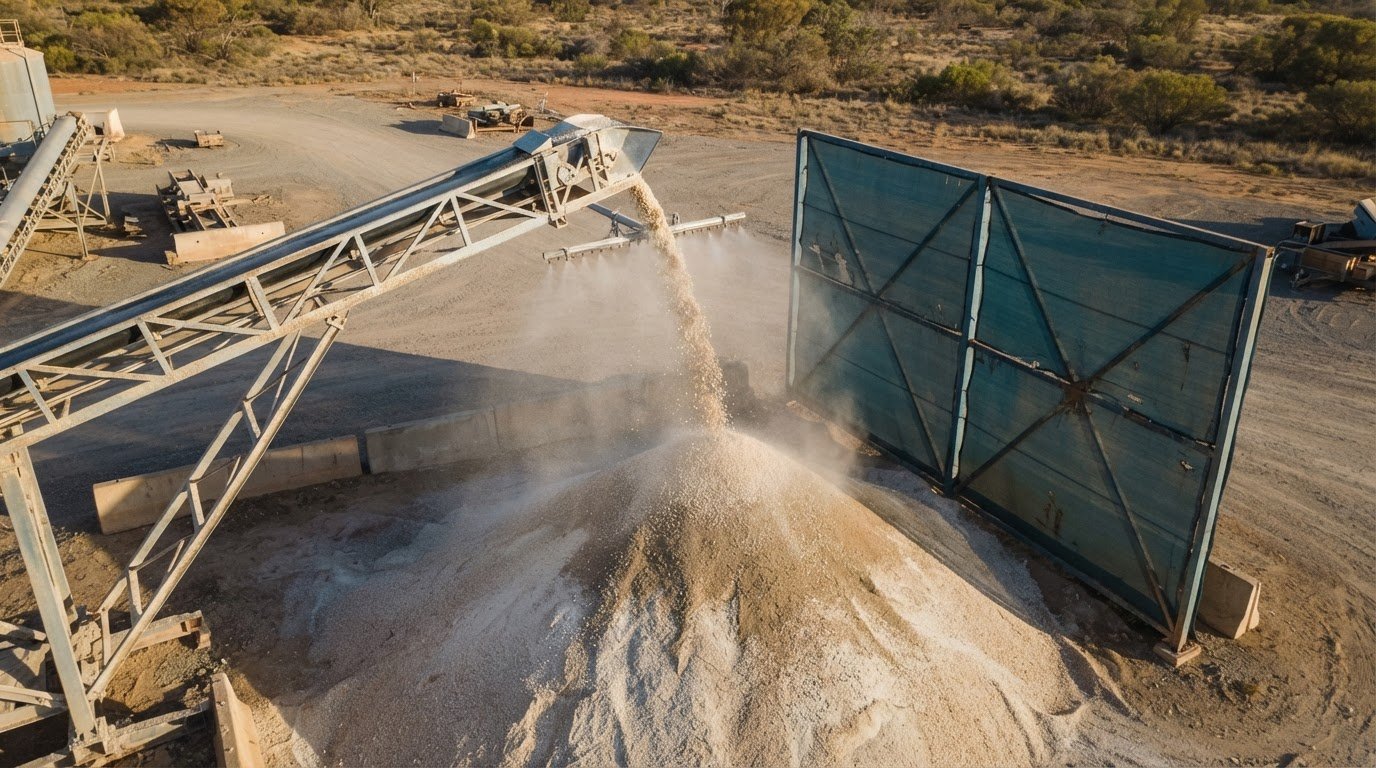
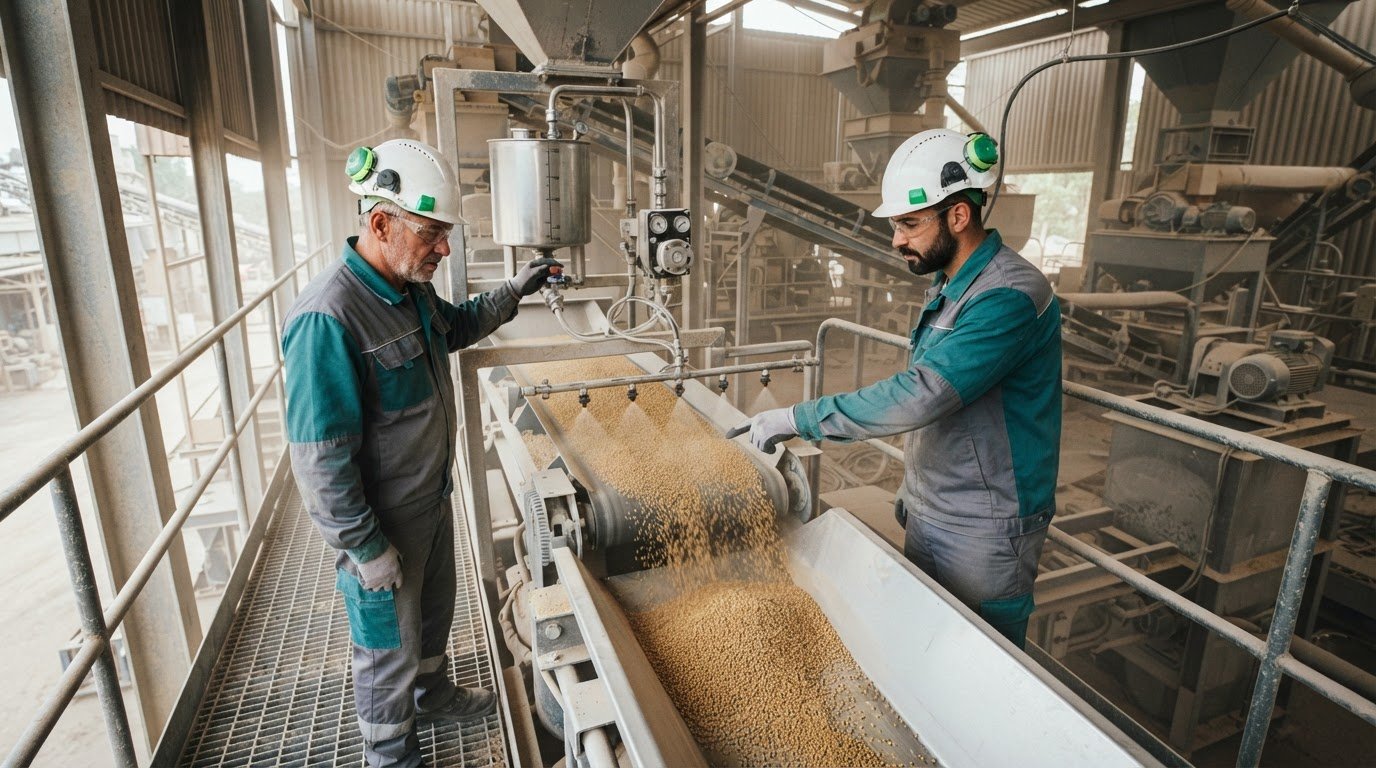
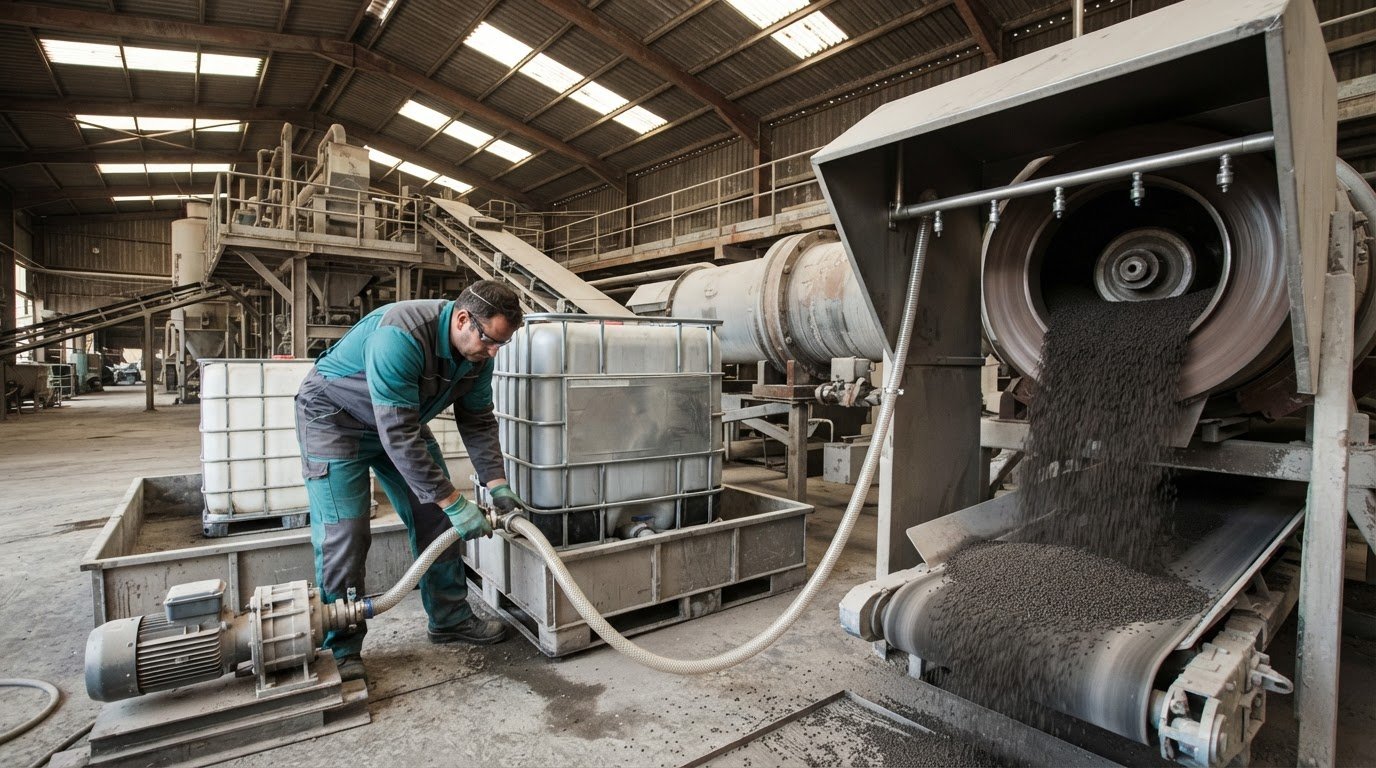
For mining and fertilizer operations, relevant offerings include mining flotation collectors, mining grinding aids, fertilizer anti-caking agents, and fertilizer dust suppressants. The right fit depends on the process challenge and your operation’s specifications. Sharing those requirements focuses the discussion on applicable solutions rather than catalogue breadth alone.
Contact JAS Global Industries to discuss your chemical requirements and application.
Turn Your Comparison Into a Clear Sourcing Decision
A technical support comparison for major chemical suppliers is most useful when it leads to a decision grounded in your operating priorities. Turn the findings into a concise sourcing brief that defines the application, product characteristics, supply expectations, and technical support needs. Include the process challenge the chemical should address and the outcome your team needs to evaluate. This gives procurement, operations, and technical teams a shared basis for discussion and keeps future product or formulation conversations tied to operational requirements.
JAS Global Industries offers specialty chemical solutions, including Fertilizer Anti-caking Agents, Fertilizer Dust Suppressants, and Mining Flotation Collectors. These offerings serve different industrial needs, so frame your inquiry around the application and the process requirements involved. A clear brief can help focus the conversation on relevant chemical solutions and technical considerations. Contact JAS Global Industries to discuss your requirements and take the next step with confidence.
Frequently Asked Questions
Which chemical suppliers offer 24/7 technical support and emergency response?
Some premium chemical suppliers list 24/7 support, but emergency coverage and technical expertise can differ. Compare the stated contact channels, incident types covered, and escalation process. For example, a spill-related call may require a different response pathway from an urgent process-performance issue. Confirm internally who should contact the supplier and what product or incident details they should have ready.
How quickly do major chemical suppliers respond to technical support requests?
Response times depend on the issue’s urgency and complexity, the contact route, and the availability of relevant technical staff. A routine specification question may follow a different path from a production interruption. For a practical comparison, record when requests are submitted, acknowledged, assigned, and resolved. Track urgent and routine cases separately to reflect the support your operation actually needs.
How do chemical suppliers support safety data, handling, and incident response?
Suppliers can provide Safety Data Sheets that communicate chemical hazards and safe-handling information. During an incident, use the product identification and current SDS to guide internal communication, then contact the supplier through the designated incident route. Share the product name, batch details if available, and a concise description of the event. Supplier input supports, but does not replace, your site’s emergency procedures and qualified safety review.
What customer reviews or case studies compare technical support from major chemical suppliers?
Look for customer reviews or case studies involving comparable applications and describing response quality, troubleshooting, and outcomes. References from customers with similar applications, order volumes, or service expectations can also help.