
Manufacturing improvement takes more than identifying a process problem. Well-designed continuous improvement programs with chemical partners connect clear production goals with the technical expertise and process knowledge needed to pursue them.
Focus on measurable outcomes such as process efficiency, product consistency, and operational reliability. Lasting progress also depends on choosing the right opportunities, aligning expectations, and checking whether each change works.
This article explains how to set practical manufacturing goals, identify improvement opportunities, and involve chemical partners through focused training and shared expectations. It also covers how to assess results over time and use the evidence to refine the program. The aim is a steady, evidence-led approach that turns process insights into improvements aligned with your operation’s priorities.
Continuous improvement case studies and business results
Manufacturing case studies show how targeted changes can improve operations. Useful cases connect a defined problem to an implemented solution and measures that track whether the gains last.
Continuous Improvement Case Findings
Continuous improvement case findings describe how organizations identify process problems, implement changes, and assess results. Documented outcomes help teams distinguish initiatives that improve performance from activity that does not.
A truss manufacturer repurposed unsuitable lumber for non-structural products and pallets. Dumpster pickups fell from twice a week to once a week, with zero cost for the change.
Compare chemical partners by how they assess baselines, plan improvements, support implementation, and measure results. Look for clear shared expectations and transparent communication about capabilities, performance, and review methods.
Lean, Six Sigma, and Operational Excellence
Lean, Six Sigma, and operational excellence methods structure work around process improvement and measurable performance. Lean targets activities that add time or cost without adding value; Six Sigma focuses on reducing variation and defects. Both can help teams organize initiatives around production priorities.
The four-step plan-do-check-act cycle moves from planning a change to testing and reviewing it. Track measures tied to the goal, such as cycle time, defects, downtime, or material use, and reassess results 30, 60, and 90 days after implementation. This helps reveal whether a successful initial change continues to achieve its intended result.
Fundamentals of Engineering exam results assess engineering education, not manufacturing performance. They do not show whether a plant change improved throughput, quality, or reliability, so keep them separate from operational improvement metrics.
Continuous improvement goals in manufacturing
Manufacturing goals define the outcomes an organization wants its improvement efforts to achieve. A target such as reducing equipment stoppages or material waste gives teams clear direction and helps leaders decide which opportunities merit attention and how to measure progress.
George T. Doran introduced the S.M.A.R.T. acronym for goal setting in 1981. In manufacturing, this approach helps teams define a specific outcome, select a measure, and set a review point. For example, a team addressing recurring production delays can track downtime before and after a process change. The baseline makes the result easier to interpret.
- Quality: Monitor defects or rework to identify where process variation affects output.
- Efficiency: Track cycle time, material use, or equipment downtime against the chosen goal.
- Workplace safety: Record recurring hazards and assess whether process changes address their causes.
- Resource use: Examine energy, water, or waste data to find relevant improvement opportunities.
The plan-do-check-act cycle gives teams a four-step structure for pursuing each goal. Plan a change around an identified opportunity, implement it, check the measured outcome, then act on the evidence. If results fall short, revise the approach rather than treating the first attempt as final. This keeps improvement work tied to operational evidence.
In continuous improvement programs with chemical partners, goals can link process priorities to measurable operating outcomes. Agree on the baseline, improvement area, and review timing to create a shared basis for assessing progress. Make sure the goal reflects the manufacturing process rather than assuming every challenge has a chemical solution.
Deming’s 14 points called for constancy of purpose in improving products and service to society. That principle supports a culture where employees identify causes, share process knowledge, and improve systems instead of repeatedly responding to the same problem. For continuous improvement programs with chemical partners, leaders can reinforce this purpose by making improvement part of ordinary work, not a temporary initiative.
For process-specific context, explore chemical solutions for manufacturing.
Defining improvement problems and opportunities
A useful improvement problem describes a process gap, its operational effect, and where it occurs. For example, repeated delays at a mixing stage are more actionable than a broad goal to “improve production.” A precise problem helps employees and partners focus on the same issue.
Start with observable evidence from across the process: production records, equipment logs, quality checks, and employee observations. Compare the intended process with what happens during normal operations. If a delay occurs only during a particular handoff, investigate that step before changing unrelated equipment or procedures.
The 5 Whys method proposes asking up to five “Why?” questions to explore a problem’s initial cause. For example, if a batch waits before processing, ask why the queue formed, then why the preceding step fell behind. Continue until the team reaches a cause it can address, rather than stopping at “the schedule was missed.”
- Frequency: Establish whether the issue happens repeatedly or under specific operating conditions.
- Impact: Identify effects on quality, production flow, resource use, or employee workload.
- Process location: Pinpoint the equipment, handoff, or task where the problem begins.
- Contributing factors: Include operator observations alongside logs and process data.
Root-cause analysis matters because recurring problems consume employees’ time and attention. Constant firefighting can leave little capacity for planned change. An incremental response should address the cause, involve relevant team members, and avoid shifting the problem elsewhere in the process.
Once the cause is understood, define an opportunity that can be tested and evaluated. The plan-do-check-act cycle starts by identifying an opportunity and planning a change. A team might adjust a handoff, observe the process, and compare relevant operating measures. This sequence helps show whether the change addresses the original problem.
Keep the assessment ongoing. If the first adjustment creates a new bottleneck, the entire team can use that evidence to refine the next change. This turns problem-solving into a repeatable practice, rather than a one-time response to a visible disruption.
Training partners and tailored improvement programs
Joint improvement works best when both organizations share a clear purpose, practical training, and defined responsibilities. Well-designed continuous improvement programs with chemical partners use a consistent methodology while adapting training to each site’s operating conditions.
Program Scope and Purpose
Continuous improvement programs with chemical partners are structured partnerships for identifying, prioritizing, and assessing process improvements together. A chemical partner can contribute relevant technical knowledge, while the operating company brings its understanding of equipment, constraints, and goals.
Partner selection should consider technical capabilities, management systems, performance, and communication. A baseline assessment establishes priorities and shared expectations. Onboarding aligns participants on scope, measures, information-sharing boundaries, and decision-making roles. Leadership should reinforce the program’s purpose and make time for employees to contribute operational knowledge.
Launching a Joint Improvement Program
A launch turns shared intent into coordinated work. Identify a partner whose capabilities fit the improvement area, review baseline performance and management systems, then agree on priorities, expectations, and timing. This creates a common starting point for planning continuous improvement programs with chemical partners.
Training should connect the methodology to actual tasks. A joint session, for example, can explain process terminology, data definitions, observation methods, and escalation routes. Standardized records help teams interpret results consistently, while site-specific instruction addresses local equipment and procedures. Supplier development can also include capability-building assistance, recognition, shared improvement costs, or strategic planning.
Data-Sharing and Operational Risks
Sharing process data can expose confidential business or employee information if access and handling are unclear. Define what information supports the initiative, who can use it, and how employee privacy will be safeguarded. A baseline assessment should cover relevant performance and management systems without collecting unnecessary personal details.
Operational changes can affect connected process steps, product quality, or worker safety. Test proposed changes within agreed controls, document observations, and communicate issues promptly. Applicable U.S. requirements depend on the facility and activity, so identify relevant obligations, assign responsibility, and keep periodic updates accessible.
To discuss a tailored approach, contact JAS Global Industries.
JAS Global Industries
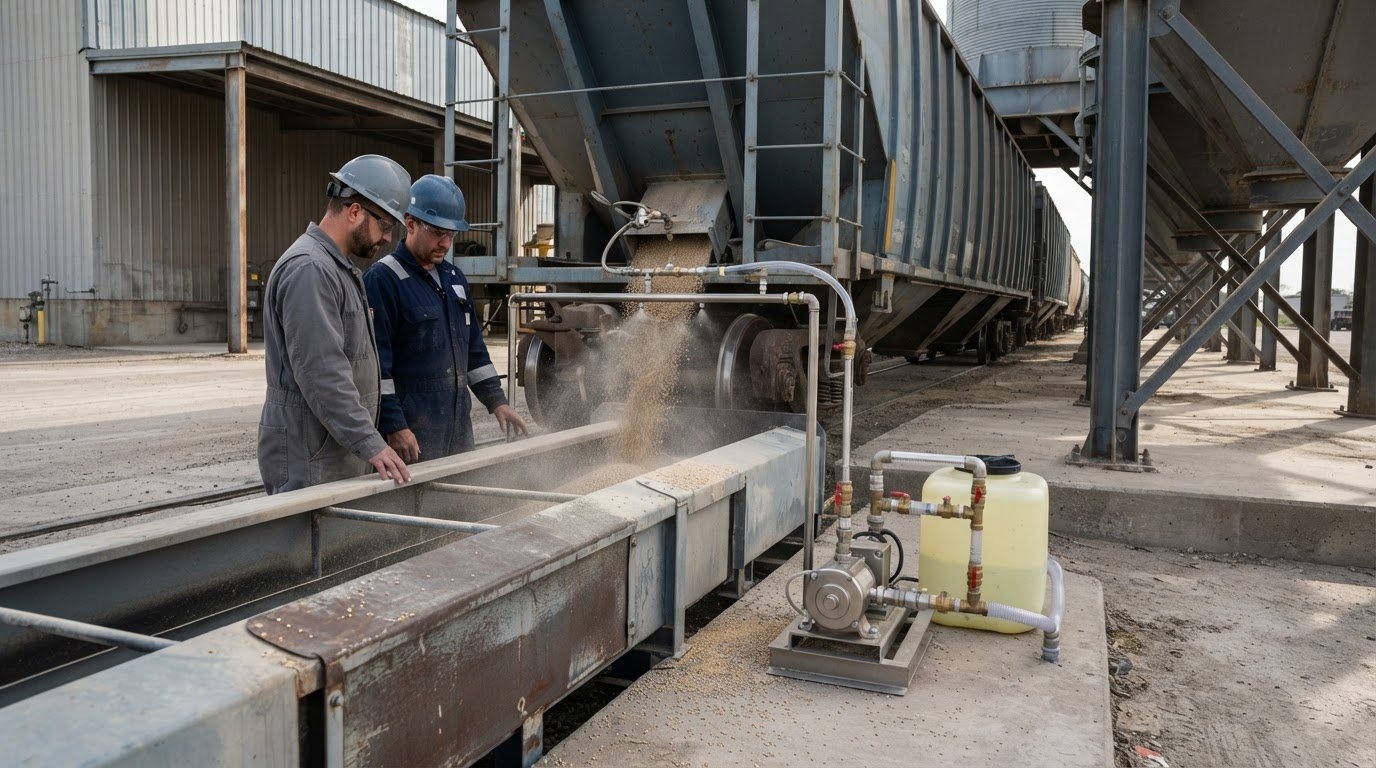
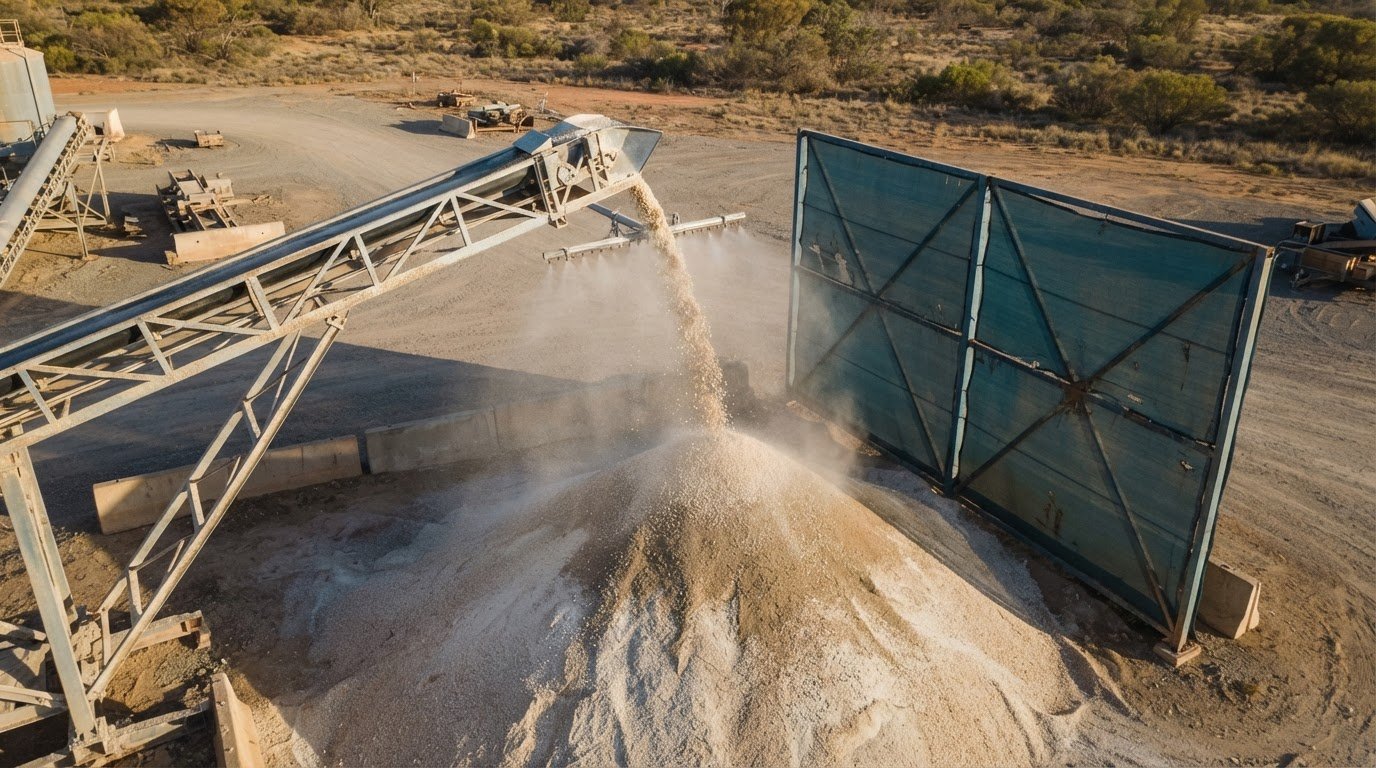
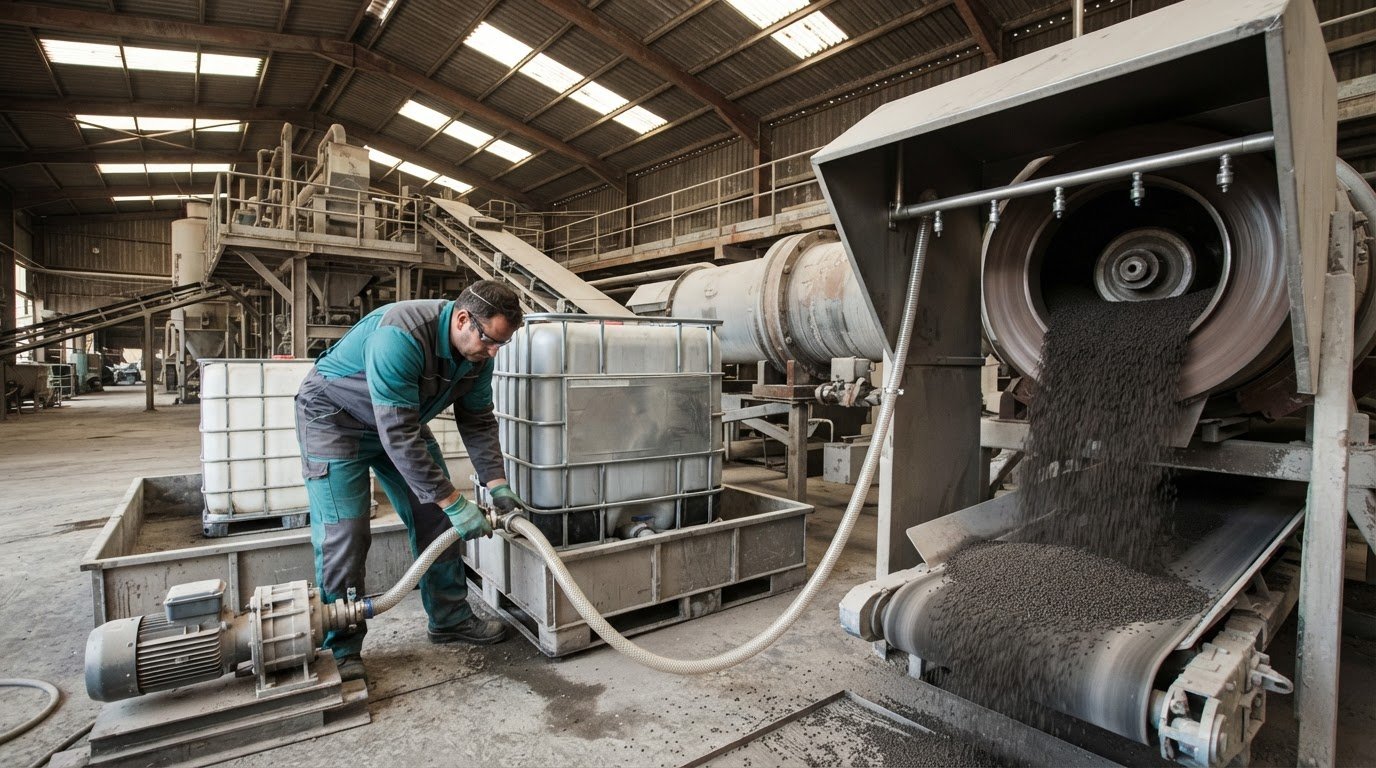
JAS Global Industries can support manufacturing improvement when an opportunity involves chemical performance or process efficiency. Its specialty chemical solutions include fertilizer anti-caking agents, fertilizer dust suppressants, mining flotation collectors, and mining grinding aids. These products may be relevant when teams assess material handling or process performance in fertilizer and mining operations.
For a tailored formulation, start the discussion with the process objective, operating conditions, and performance issue under review. This connects chemical expertise with the manufacturing team’s improvement priorities without treating every operational challenge as a chemical problem.
If your improvement initiative involves chemical process needs, contact JAS Global Industries to discuss the opportunity.
Turn improvement priorities into action
For continuous improvement programs with chemical partners, a useful next step is to turn the selected opportunity into a concise technical brief. Describe the process objective, operating conditions, and evidence that would indicate progress. This gives technical discussions a clear purpose and keeps attention on the operational need, not a product in isolation.
Where chemical performance is relevant, JAS Global Industries offers fertilizer anti-caking agents, fertilizer dust suppressants, and mining flotation collectors. These products can inform a focused discussion about whether a specialty chemical solution fits the process challenge. Let the application and improvement objective guide the discussion.
Keep the brief grounded in the process and its desired outcome. A shared understanding of those priorities can help both teams identify a practical path forward while keeping operational needs in focus.
When your improvement priority calls for that discussion, contact JAS Global Industries. A clear objective is a strong starting point for continued manufacturing progress.
Frequently Asked Questions
What is continuous improvement?
Continuous improvement is an ongoing way to make products, services, or processes work better through repeated, manageable changes. It differs from a one-time project because teams keep learning from results and applying those lessons to daily work. For example, a production team can document a revised handoff procedure, train affected employees, and use later observations to refine the procedure.
What are common goals and KPIs for chemical supply-chain improvement programs?
Common goals include steadier product quality, reliable deliveries, less waste, and more efficient resource use. Choose KPIs that match the issue: track on-time shipments for delivery performance, or rejected and reworked material for quality. For resource efficiency, compare material, water, or energy use against a consistent production basis, then review the trend with your supplier.
What are examples of successful chemical supplier continuous improvement programs and their results?
Examples include joint efforts to reduce supply interruptions, improve material consistency, or use production inputs more efficiently. Manufacturing cases illustrate how process changes can produce measurable financial or waste-reduction outcomes. To assess a supplier program, connect its result to the original operating issue, use a consistent baseline, and distinguish verified improvement from a proposed benefit.
How much do chemical supplier improvement programs cost, and what savings can they deliver?
Program cost depends on its scope, including internal staff time, data analysis, trials, and technical support. Savings depend on which operating costs a change affects and whether the improvement lasts. Assess value by comparing measured benefits, such as reduced waste or downtime, with the resources needed to implement and maintain the change. Do not treat projected savings as realized results.
How can companies measure and sustain continuous improvement results with chemical partners?
Before implementation, agree on the baseline, metric definitions, data ownership, and review responsibilities. After a change, assess the same measures under comparable operating conditions, then record the results and process changes. Sustain effective improvements by incorporating them into work instructions and employee training. Regular partner reviews can identify performance drift, new constraints, or further opportunities while keeping the original objective in view.