

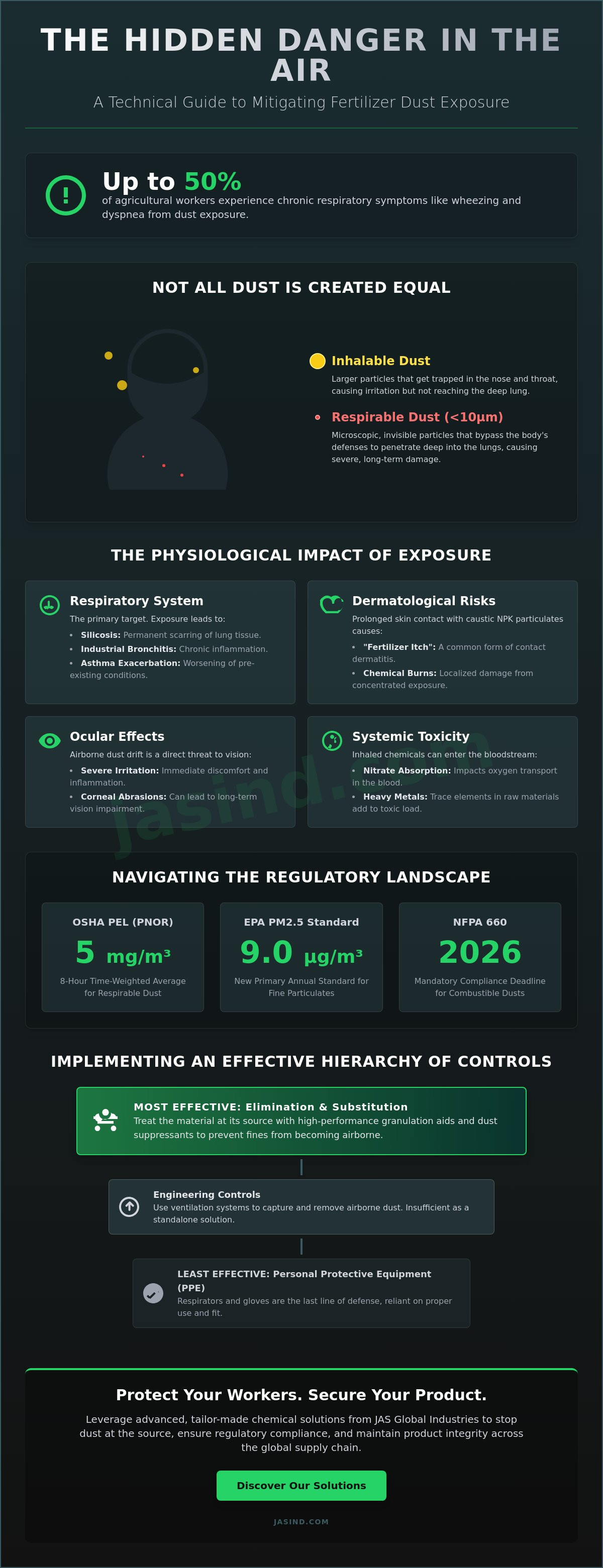
With up to 50% of agricultural workers experiencing chronic respiratory symptoms like wheezing and dyspnea, the air quality in your facility is no longer a secondary operational concern. It's a clinical mandate. Managing the health risks of fertilizer dust exposure is essential for maintaining a stable workforce and avoiding the rising costs of compensation claims. You likely feel the pressure of meeting the EPA's new primary annual PM2.5 standard of 9.0 µg/m³ while preparing for the mandatory 2026 compliance deadline of NFPA 660. It's a complex regulatory environment that demands more than just basic ventilation.
This guide provides the technical clarity you need to justify investments in industrial safety and resource protection. You'll discover the specific medical impacts of airborne particulates and how advanced fertilizer dust suppressants safeguard both your team and your product integrity. We'll examine current OSHA PELs for respirable dust and outline actionable strategies to ensure your facility remains a secure, compliant, and reliable pillar of global infrastructure.
Key Takeaways
- Distinguish between respirable and inhalable particulates to understand how particle size dictates internal physiological damage.
- Recognize the chronic health risks of fertilizer dust exposure, including potential silicosis and severe dermatological complications.
- Assess how airborne nutrient drift threatens the security of surrounding agricultural resources and local drinking water.
- Implement a robust hierarchy of controls using high-performance granulation aids and fertilizer dust suppressants.
- Leverage tailor-made chemical solutions to ensure worker safety and maintain product integrity during global distribution.
Defining the Hazard: What is Fertilizer Dust Exposure?
Fertilizer dust is not a singular substance. It is a complex chemical matrix comprising nitrogen, phosphorus, and potassium (NPK) particulates. These materials are chemically active. During industrial handling, granules undergo constant mechanical stress. This abrasion during transport and storage creates hazardous airborne fines. When these particles become airborne, they create significant health risks of fertilizer dust exposure for personnel operating in processing and storage environments. Protecting the workforce requires a technical understanding of how these particulates behave once they leave the granule.
Industry professionals distinguish between inhalable and respirable dust based on particle size. Inhalable dust consists of larger particles that typically settle in the nose and throat. Respirable dust is far more dangerous. Respirable dust refers to particles under 10 micrometers that bypass natural biological filters to reach the deep lung tissue. Because these fines are often invisible to the naked eye, they can reach hazardous concentrations before operators recognize a threat. Maintaining operational security means managing these microscopic threats before they compromise the facility's air quality.
Chemical Composition and Toxicity
The specific toxicity of the dust depends on the fertilizer's chemical profile. Urea, Diammonium Phosphate (DAP), and Monoammonium Phosphate (MAP) each present unique irritants. Raw phosphate materials frequently contain trace minerals or heavy metals that increase the toxicological load. Exposure to these concentrated aerosols can trigger Organic Dust Toxic Syndrome, an acute inflammatory reaction that impacts worker productivity and long-term wellness. A proactive approach to chemical stability is the only way to mitigate these inherent risks.
Common Exposure Scenarios in Fertilizer Handling
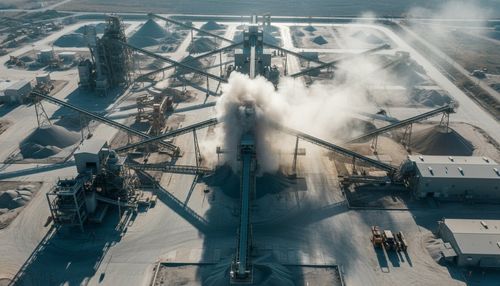
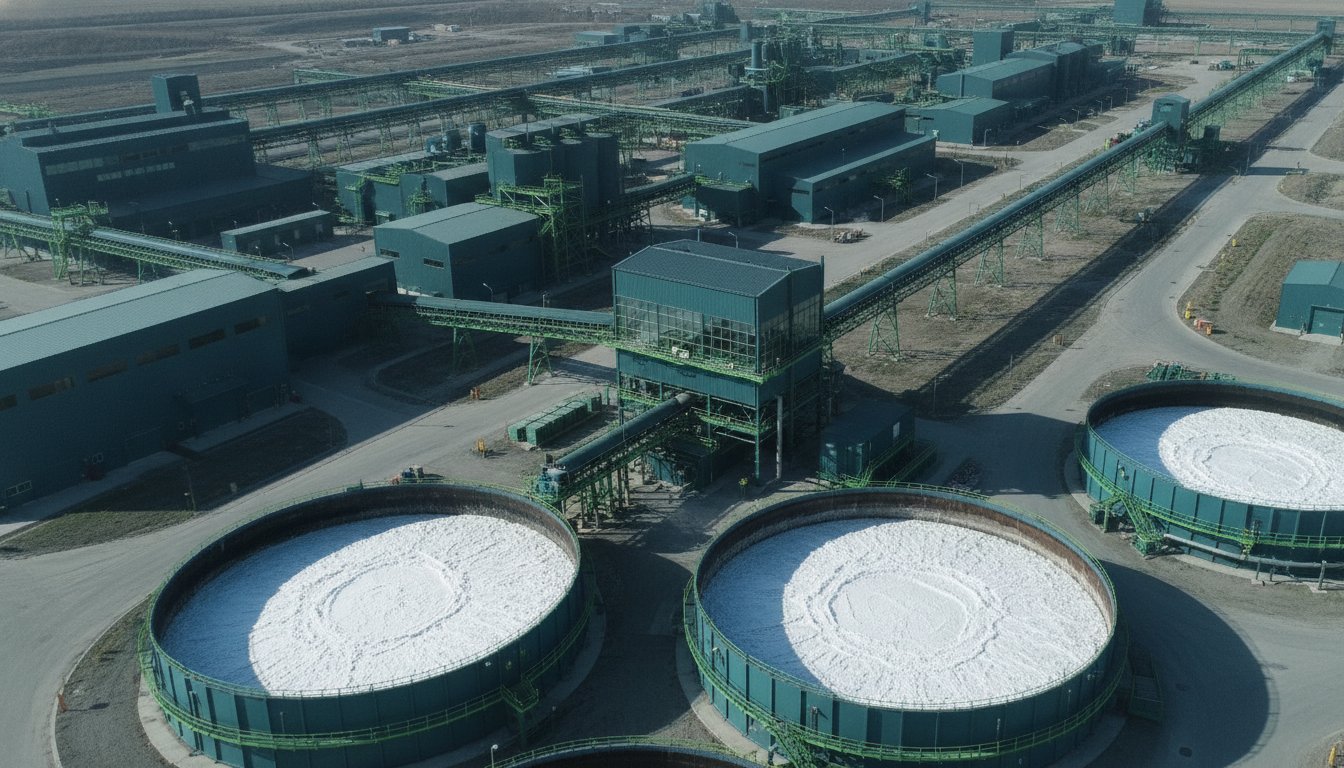
Risk isn't uniform across a facility. It peaks at high-impact zones like conveyor transfer points, bagging stations, and bulk storage halls. In these areas, "invisible" dust levels frequently exceed safe occupational limits. Environmental factors also play a role. Fluctuating humidity and temperature during maritime transport accelerate granule degradation. This creates a surge in dust generation during offloading. These scenarios highlight why managing the health risks of fertilizer dust exposure is a constant challenge for global logistics chains.
By 2026, industrial standards will demand more than simple ventilation. The mandatory compliance requirements of NFPA 660 and the EPA's stricter PM2.5 standards mean facilities must adopt integrated solutions. Relying on airflow alone is insufficient for modern safety mandates. True protection requires high-performance chemical suppressants that stop dust at the source, ensuring the stability of both the product and the people who handle it.
The Physiological Impact of Fertilizer Dust Exposure
The clinical reality of fertilizer handling is defined by the interaction between chemical particulates and human physiology. These interactions aren't merely irritations. They're significant medical events. The health risks of fertilizer dust exposure extend across multiple biological systems, requiring a comprehensive safety strategy that prioritizes worker stability and operational security. When particulates bypass natural defenses, the impact on long-term health can be profound.
The respiratory system remains the primary point of entry for these hazards. Inhaling silica-rich fillers can lead to silicosis, a permanent scarring of the lung tissue that compromises pulmonary function. Chronic exposure often results in industrial bronchitis or the severe exacerbation of pre-existing asthma. Beyond the lungs, dermatological and ocular risks are prevalent in daily operations:
- Dermatological Risks: Prolonged skin contact with caustic NPK particulates often causes "fertilizer itch," contact dermatitis, or localized chemical burns.
- Ocular Effects: Dust drift causes severe irritation and corneal abrasions. Without proper mitigation, this leads to long-term vision impairment.
- Systemic Toxicity: Nitrates can be absorbed into the bloodstream via inhalation, potentially impacting oxygen transport and metabolic stability.
To maintain a secure facility, employers must strictly adhere to OSHA's permissible exposure limits. Current regulations for particulates not otherwise regulated (PNOR) set the respirable dust limit at 5 mg/m³ over an 8-hour time-weighted average. Staying within these bounds is a clinical necessity for workforce preservation.
Acute vs. Chronic Health Consequences
Immediate symptoms like coughing, wheezing, and throat constriction serve as the body's first warning. These acute reactions are visible and easily diagnosed. However, the true danger lies in chronic, low-level exposure. Veteran plant workers may experience a "silent" decline in lung capacity over decades. This long-term pathology places immense cardiovascular strain on the individual, often going unnoticed until the damage is irreversible. Protecting these workers requires a commitment to sustainable, long-term air quality.
Vulnerable Populations and Risk Factors
Not every worker reacts to particulates in the same way. Personnel with pre-existing respiratory conditions or allergies are at a significantly higher risk of severe reactions. There's also a documented synergistic effect between tobacco use and industrial dust exposure, which dramatically accelerates the decline of pulmonary function. Inhaled chemical dust can alter the pH balance of mucous membranes, creating an environment where infections and chronic inflammation thrive.
Securing your workforce requires a move toward preventative chemistry. Implementing high-performance fertilizer dust suppressants ensures that these physiological threats are neutralized before they reach the breathing zone. This proactive approach protects your most valuable resource: your people.
Secondary Health Risks: Environmental Impact and Cross-Contamination
The impact of fertilizer dust reaches far beyond the immediate processing floor. Uncontrolled particulates don't respect facility boundaries. When airborne fines migrate from storage halls to adjacent agricultural lands, they introduce unintended nutrient loads to food crops. This phenomenon, known as nutrient drift, compromises the precision of local farming and threatens the stability of regional food security. Managing the health risks of fertilizer dust exposure is therefore an ethical mandate that extends to the entire surrounding community.
Environmental stability depends on the containment of these chemical matrices. Without high-performance suppression, dust settles on soil and is eventually washed into the water table. This facility runoff contributes to elevated nitrate levels in local drinking water, a primary driver of "blue baby syndrome" and other metabolic disruptions. A Systematic Review of Fertilizer Health Risks underscores the critical link between environmental particulate migration and long-term community wellness. Protecting our water resources is a fundamental pillar of responsible industrial operations.
Nutrient Pollution and Community Health
Dust drift triggers significant ecosystem toxicity. When nitrogen and phosphorus particulates enter local waterways, they fuel aggressive algae blooms that deplete oxygen and devastate aquatic biodiversity. This ecological imbalance isn't just an environmental concern; it's a regulatory liability. By 2026, stricter EPA standards and updated NESHAP requirements will impose heavy fines on facilities that fail to contain their emissions. Securing the perimeter through advanced chemistry is the only way to ensure compliance and maintain the trust of the local community.
Product Integrity and User Safety
The health risks of fertilizer dust exposure also follow the product into the field. Dusty, degraded fertilizers present a direct hazard to the end-user—the farmer. During application, these fine particulates create clouds of chemical irritants that are easily inhaled or absorbed through the skin. Furthermore, dust-degraded granules lead to unpredictable chemical reactions and cross-contamination when different products are stored or blended in the same vicinity. This degradation undermines the efficacy of the fertilizer and increases the risk of unintended chemical exposure for agricultural workers.
Maintaining the physical form of the granule is essential for both safety and profitability. Implementing specialized Reducing Product Loss: Fertilizer Dust Suppressants ensures that the product remains intact from the plant to the soil. This level of protection preserves the integrity of the global supply chain while safeguarding the health of everyone who handles the material. Protecting the product. Securing the future.
Implementing an Industrial Hierarchy of Controls
Managing the health risks of fertilizer dust exposure requires a systematic, multi-layered framework. The industrial hierarchy of controls provides this essential structure. It prioritizes the most effective preventative measures to create a stable working environment. By moving from elimination to personal protection, facilities ensure that safety isn't just an individual responsibility but an inherent part of the operational design. This top-down approach is the only way to meet the rigorous safety standards of 2026.
The hierarchy begins with Elimination and Substitution. By utilizing high-performance Fertilizer Granulation Aids during the manufacturing process, producers can significantly reduce the initial formation of fine particulates. This proactive step ensures granules maintain their physical integrity. Engineering Controls follow, involving the installation of advanced dust collection systems and the modification of conveyor systems to minimize material drop heights. These physical modifications contain hazardous fines before they can migrate into the facility's atmosphere.
Administrative Controls and Chemical Suppression provide the next layers of security. Administrative measures include specialized safety training and strategic worker rotation to limit cumulative exposure times. Chemical suppression involves applying targeted anti-dusting agents at critical transfer points. These agents bind microscopic fines to the larger granules, providing a durable shield during handling. Finally, Personal Protective Equipment (PPE) serves as the final line of defense. Respirators, sealed goggles, and protective suits are vital, yet they represent the last resort in a comprehensive safety strategy.
Why PPE Alone is Insufficient
Relying exclusively on respirators introduces the "human error" factor into your safety equation. Improper mask fit, poor maintenance, and the failure to perform seal checks often compromise protection levels. In high-humidity or tropical climates, heat stress and physical discomfort frequently lead to non-compliance. Workers may adjust or remove equipment to breathe more easily, leaving them vulnerable to the health risks of fertilizer dust exposure. Furthermore, PPE only protects the individual wearer. It does nothing to mitigate facility-wide contamination or the environmental drift that threatens local communities.
Optimizing the Chemical Application Process
The effectiveness of chemical suppression depends on the precision of the application. Selecting the correct dosing strategy for anti-caking and anti-dusting agents ensures that every granule receives uniform coverage. This consistency is vital for preventing post-production dust during long-distance maritime transport and bulk storage. Modern facilities prioritize non-toxic, biodegradable formulations to align industrial safety with ethical responsibility. These advanced chemistries provide long-term stability without compromising the environmental integrity of the final product.
Secure your operational environment by integrating advanced Fertilizer Dust Suppressants into your facility's hierarchy of controls.
JAS Global Solutions: Protecting Workers Through Advanced Chemistry
At JAS Global Solutions, we view chemical engineering as a vital tool for global resource security. Effectively managing the health risks of fertilizer dust exposure requires more than generic solutions. It demands a sophisticated understanding of chemical interactions at the molecular level. Our commitment is rooted in providing tailor-made formulations that address the specific chemistries of your NPK products. By stabilizing the granule, we protect the person. This mission-oriented approach ensures that industrial solutions contribute directly to the stability of critical global resources.
Our high-performance Fertilizer Dust Suppressants are specifically engineered for long-distance maritime stability. These products ensure that granules remain intact during the mechanical stress of transcontinental shipping and bulk handling. Our Research and Innovation (R&I) centers prioritize the development of eco-friendly chemical reagents, ensuring sustainability at a global scale. From our technical consulting hubs in Dubai to processing plants worldwide, we provide local expertise backed by a profound sense of global responsibility.
Our Specialized Anti-Dusting Technology
JAS formulations create a protective microscopic film on fertilizer granules that serves a dual purpose. This barrier significantly mitigates the health risks of fertilizer dust exposure while simultaneously improving product flowability and storage characteristics. JAS brings over 25 years of specialized experience in chemical security to every partnership, providing the reliability needed for modern industrial infrastructure. This technical expertise transforms a simple coating into a vital shield for your workforce and your operational integrity.
Partnering for a Safer Industrial Future
We don't just supply products; we build long-term partnerships focused on safety and stability. Our technical teams conduct on-site laboratory testing to determine the optimal chemical dosing for your specific plant conditions. This data-driven approach supports comprehensive corporate chemicals management plans and ensures full compliance with international safety mandates. We act as a foundational industry presence, focusing on the fundamental needs of society and the long-term well-being of the workforce. Secure your facility. Protect your future.
Contact our technical experts for a dust-reduction audit to ensure your facility meets the highest standards of industrial safety.
Securing the Future of Industrial Safety
Protecting your workforce is a clinical mandate and a moral responsibility. We've explored how the health risks of fertilizer dust exposure demand a sophisticated hierarchy of controls. Relying on ventilation and respirators is no longer sufficient for modern regulatory compliance. True operational security requires stabilizing the chemical matrix at the source. Stabilizing the product. Protecting the person.
Since 1998, JAS Global Industries has acted as a vital guardian for the world's most critical resources. Our global R&I centers develop specialized formulations optimized for the demanding climates of the Middle East and Africa. Trusted by global mining and fertilizer leaders, we provide the technical stability necessary for sustainable growth. Your commitment to advanced safety chemistry ensures a resilient workforce and a stable global supply chain.
Explore JAS Fertilizer Dust Suppressants and Protect Your Workforce
Let's build a more secure industrial future together.
Frequently Asked Questions
Is fertilizer dust carcinogenic?
Fertilizer dust is not universally classified as a carcinogen, but specific components like crystalline silica are known human carcinogens. Prolonged inhalation of these particulates can lead to serious lung pathology and permanent cellular damage. Facility managers must conduct a chemical analysis to identify hazardous trace minerals in their raw materials. Protecting workers from these long-term health risks of fertilizer dust exposure requires rigorous monitoring and the use of high-performance chemical suppressants.
What are the first signs of fertilizer dust overexposure?
Acute respiratory irritation is the most common early indicator of overexposure. Workers often report persistent coughing, wheezing, and throat constriction shortly after entering high-dust zones. Skin and eye irritation, such as redness or a burning sensation, also signal excessive contact with caustic particulates. These immediate reactions serve as critical warnings that the facility's current air quality controls or chemical suppression strategies require immediate optimization to ensure workforce stability.
Can fertilizer dust cause explosions in storage facilities?
Combustible dust presents a significant explosive hazard in fertilizer storage and processing facilities. Fine particulates suspended in the air can ignite under specific conditions, leading to catastrophic pressure releases and structural failure. The 2026 enforcement of NFPA 660 mandates that facilities conduct regular Dust Hazard Analyses (DHA) to mitigate these risks. Implementing advanced fertilizer dust suppressants significantly reduces these hazards by preventing the formation of the airborne fines that fuel such events.
What OSHA standards apply to fertilizer dust particulates?
OSHA regulates fertilizer dust under the category of Particulates Not Otherwise Regulated (PNOR). The current Permissible Exposure Limit (PEL) for respirable dust is 5 mg/m³ over an 8-hour time-weighted average. If the dust contains crystalline silica, a much stricter limit of 50 µg/m³ applies. Compliance with these standards is essential to mitigate the health risks of fertilizer dust exposure and maintain the security of the industrial environment.
How do anti-dusting agents differ from anti-caking agents?
Anti-dusting agents are specifically designed to bind fine particulates to the larger granule to prevent airborne migration. In contrast, anti-caking agents focus on preventing the chemical bonding between granules that leads to clumping during storage. While their functions differ, both are essential for maintaining product integrity and operational efficiency. Many modern formulations provide dual protection, ensuring that fertilizers remain both free-flowing and safe for personnel to handle throughout the global supply chain.
What is the best way to clean up accumulated fertilizer dust safely?
Industrial vacuuming with HEPA-rated filters or wet cleaning methods are the only safe ways to manage accumulated dust. Dry sweeping and the use of compressed air are prohibited because they re-suspend fine particulates into the breathing zone. This re-suspension dramatically increases inhalation risks for cleanup crews and compromises the air quality of the entire facility. Establishing a strict housekeeping protocol ensures that settled dust does not become a secondary source of facility-wide contamination.
Are bio-based dust suppressants as effective as traditional chemicals?
Modern bio-based dust suppressants provide high-performance results that rival traditional petroleum-based chemicals. These sustainable formulations offer excellent long-term stability and maritime durability while reducing the environmental footprint of the facility. Choosing biodegradable reagents aligns industrial operations with global sustainability mandates and ethical responsibilities. These advanced chemistries ensure that protecting human health does not come at the expense of ecological integrity or product performance during long-distance transport.
How does humidity affect the health risks of fertilizer dust?
High humidity levels accelerate the physical degradation of fertilizer granules, leading to increased dust generation during mechanical handling. Moisture absorption weakens the granule structure, causing it to fracture and release hazardous fines into the atmosphere. This degradation is particularly problematic during maritime transport and storage in tropical climates. Utilizing specialized fertilizer dust suppressants creates a moisture-resistant barrier that preserves granule integrity and limits the volume of respirable particulates in the air.