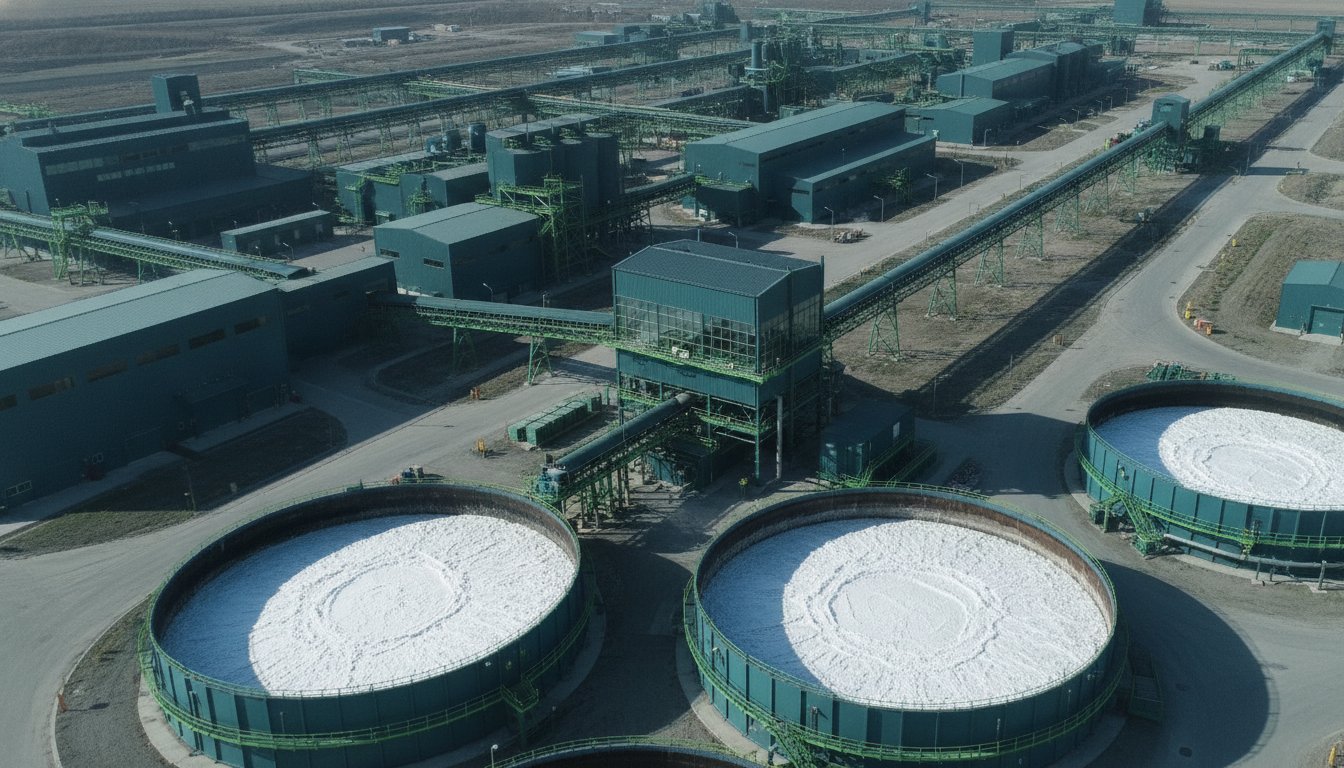

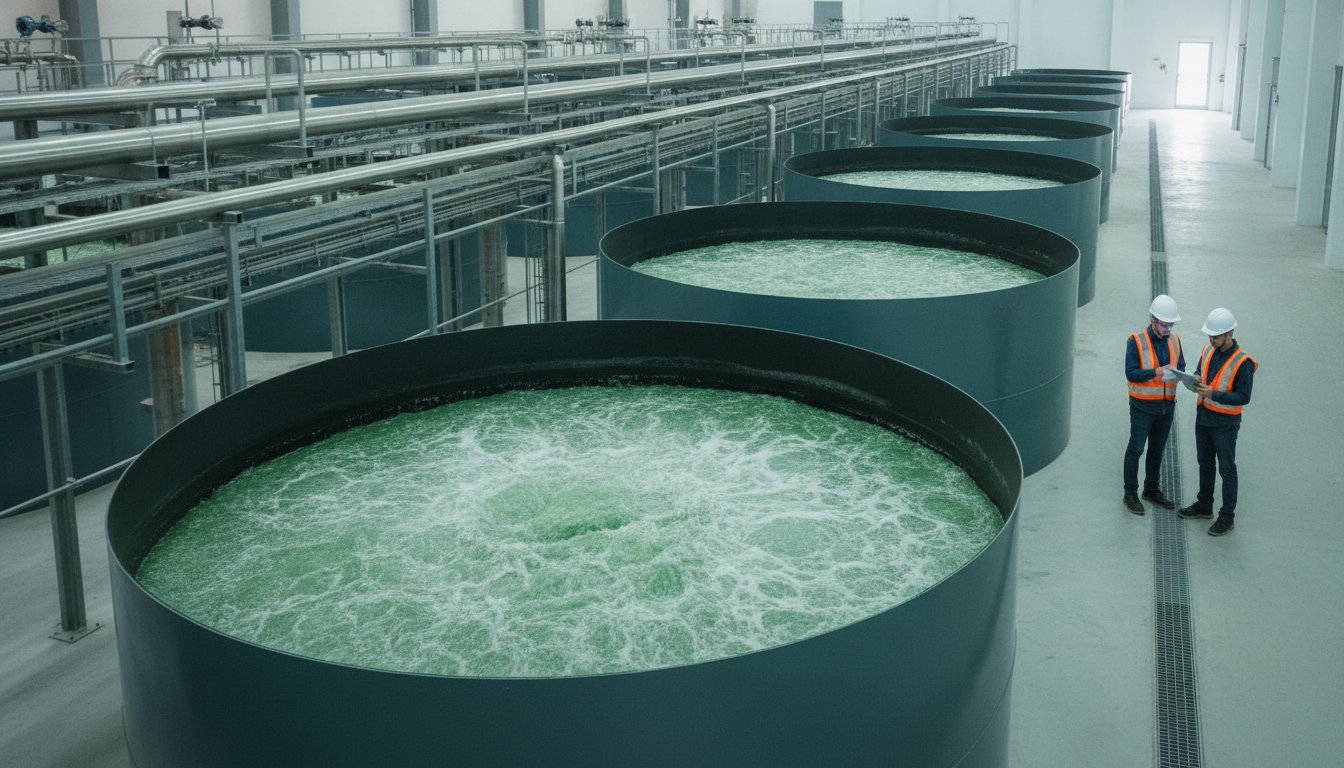
What if the difference between a low-grade concentrate and a high-purity global resource isn't your ore quality, but the molecular precision of your depressants? Maintaining the grade of Muriate of Potash (MOP) is an increasingly complex challenge as global demand stabilizes and spot prices hover around $402.50 per metric ton. You likely recognize that high recovery of unwanted halite or clay doesn't just lower purity; it drives up reagent costs and wastes processing energy. Mastering the application of Potash Mining Chemicals is essential for securing the stability of these critical mineral supplies.
This technical guide empowers you to optimize mineral recovery by refining flotation circuit selectivity. You'll learn how to deploy industrial depressants to inhibit gangue minerals effectively while reducing overall chemical consumption. We'll explore the latest advancements in organic, biodegradable reagent suites and how they align with the 2026 shift toward sustainable mining practices. By the end of this article, you'll have the technical framework needed to transform complex ores into high-value assets with surgical precision.
Key Takeaways
- Understand the strategic role of industrial depressants in stabilizing global resource supplies by processing complex and low-grade ores.
- Master the surface chemistry of Potash Mining Chemicals to create effective hydrophilic barriers that selectively reject gangue minerals.
- Navigate the transition from traditional inorganic reagents to high-performance, biodegradable organic depressant suites for enhanced sustainability.
- Establish precise dosing protocols to prevent reagent over-saturation and protect the recovery rates of your target minerals.
- Leverage custom-formulated chemical solutions designed to address site-specific mineralogy and optimize overall flotation circuit performance.
The Critical Role of Potash Mining Chemicals in Global Resource Security
While search engines often prioritize medical definitions for "depressants", the term holds a vastly different weight in industrial metallurgy. In the mineral processing sector, these substances are precision instruments rather than pharmaceuticals. They represent the chemical backbone of resource extraction—a distinct sector from the wellness industry where Gara Health offers mineral-rich natural supplements for personal vitality. Potash Mining Chemicals are technical tools used to isolate essential minerals from complex waste streams. Without these reagents, processing low-grade or polymetallic potash ores would be economically unviable and technically impossible.
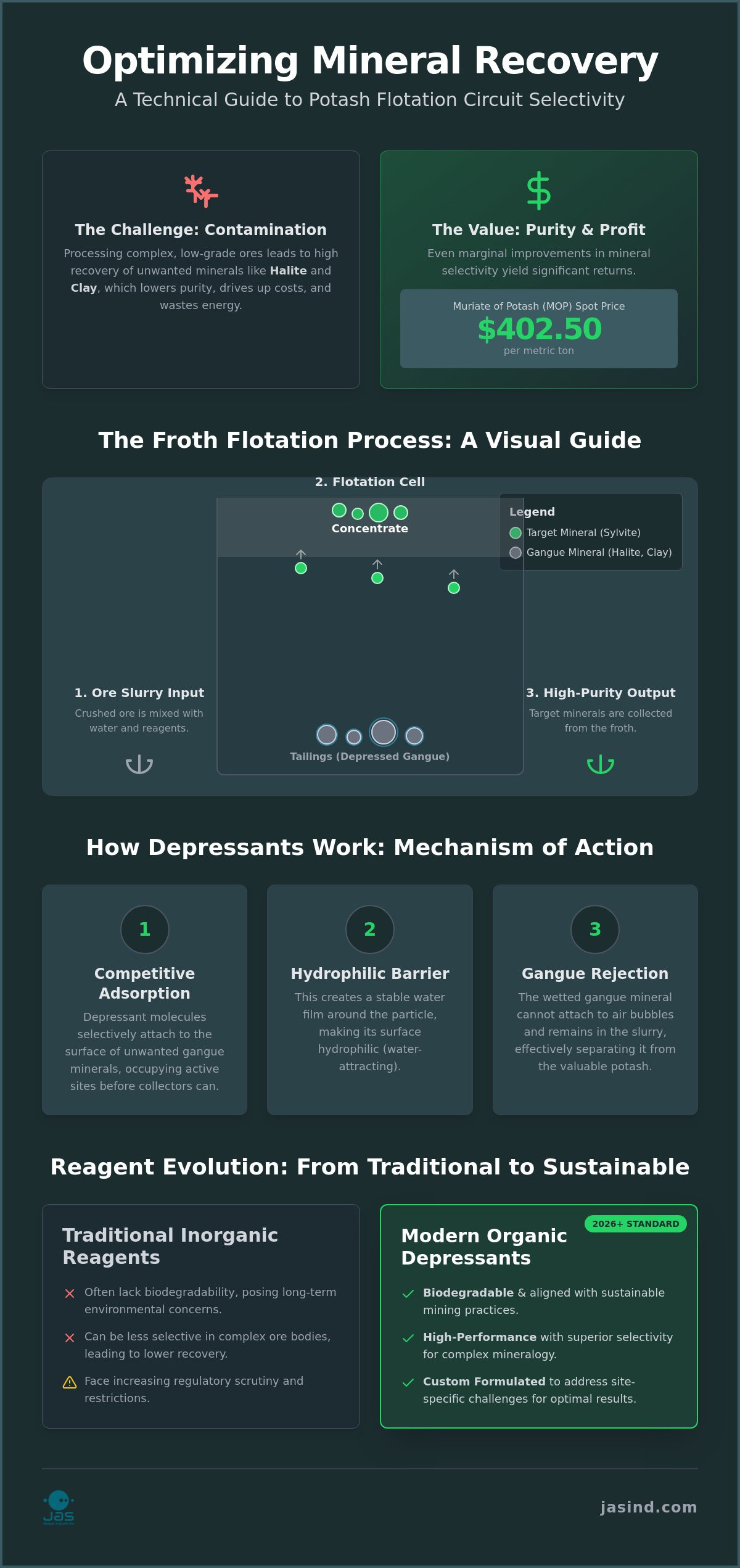
The economic impact of reagent selectivity is profound. The market value of Muriate of Potash (MOP) depends entirely on its final purity. As of June 2026, with spot prices reaching approximately $402.50 per metric ton, even marginal improvements in mineral selectivity yield significant financial returns. High-quality potash is more than just a commodity; it's the foundation of global food security. By ensuring the production of high-purity fertilizers, specialty chemicals directly support the stability of the world's food supply chains and agricultural infrastructure.
Defining Depressants within the Flotation Circuit
To understand the froth flotation process, one must recognize the delicate balance between collectors, frothers, and depressants. Collectors attach to the target mineral to make it water-repellent, while frothers stabilize the air bubbles that carry those minerals to the surface. Depressants perform the opposite, yet equally vital, task. They selectively coat gangue minerals to ensure they remain in the slurry rather than contaminating the concentrate. Mining depressants are reagents that render unwanted mineral surfaces hydrophilic. This synergy prevents unwanted particles from attaching to air bubbles, maintaining the integrity of the flotation circuit.
Industrial Applications: From Sylvinite to Langbeinite
The technical challenge in potash mining often lies in the separation of sylvite from halite. Managing these salts requires highly specific chemical interventions to suppress halite and clay gangue effectively. In more complex deposits like langbeinite, the presence of sulfate minerals adds another layer of difficulty. Operators must navigate these mineralogical hurdles while adhering to an increasingly strict regulatory environment.
The 2026 mining landscape is defined by a shift toward sustainability and resource protection. Modern operations are transitioning away from traditional, harsher chemicals in favor of biodegradable and organic formulations. This evolution is not just a matter of compliance; it's a commitment to long-term environmental stability. You can explore how these advancements fit into broader industry goals in our report on Mining Solutions: Advanced Chemistry for Global Resource Security. By prioritizing selective and sustainable Potash Mining Chemicals, producers can achieve higher yields while safeguarding the ecosystems surrounding their operations.
Mechanism of Action: How Depressants Modify Mineral Surfaces
The efficiency of mineral separation hinges on the atomic-level interactions between reagents and ore particles. Potash Mining Chemicals operate through two primary adsorption pathways: physical and chemical. Physical interaction relies on electrostatic forces or van der Waals attractions. Chemical interaction involves the formation of stable, covalent bonds on the mineral surface. Both methods aim to transform the surface properties of gangue minerals to ensure they remain in the tailings stream.
The core objective is the creation of a stable water film. This barrier acts as a depressant making the unwanted material less hydrophobic, which effectively prevents air bubbles from adhering to gangue particles like halite or clay. When the mineral surface remains wetted, it stays in the slurry. Depressants must also excel at competitive adsorption. In a balanced circuit, these molecules occupy the active sites on unwanted minerals before collectors can attach. This displacement ensures that collectors only interact with the target potash, maximizing recovery rates.
Pulp pH and ionic strength dictate the success of this process. Brine chemistry is unforgiving. The high ionic strength of potash processing environments requires reagents that maintain their structural integrity under extreme salinity. Achieving this level of precision requires deep technical expertise. Partnering with a specialist for tailor-made mining solutions ensures your circuit is optimized for these specific electrochemical conditions.
Surface Hydrophilicity and the Contact Angle
Thermodynamics in potash brine are complex. Successful separation depends on the contact angle between the mineral surface and the air bubble. Polymeric depressants increase the hydration layer around the mineral, pushing the contact angle toward zero. Molecular weight plays a critical role here. Higher molecular weight polymers provide more extensive surface coverage. However, they require careful calibration. Excessive molecular weight can increase pulp viscosity, which may hinder the thermodynamics of bubble-particle collision.
Electrochemical Dynamics in Potash Flotation
Zeta potential measures the charge at the mineral-water interface. Depressants modify this potential to favor mineral rejection. Polysaccharides, such as starch or carboxymethyl cellulose (CMC), are particularly effective in these high-salt environments. These complex molecules act as depressants via hydrogen bonding. The hydroxyl groups along the polymer chain interact with the oxygen or hydroxyl sites on the mineral surface. This creates a dense, water-loving coating. The resulting hydration shell is exceptionally resistant to bubble attachment, ensuring that gangue minerals like clay are effectively suppressed throughout the flotation cycle.
Reagent Classification: Organic vs. Inorganic Depressants in Potash Circuits
The selection of Potash Mining Chemicals is a strategic decision that balances metallurgical efficiency with environmental stewardship. In modern flotation circuits, depressants fall into two primary categories: inorganic salts and organic polymers. Each class offers distinct advantages depending on the mineralogical complexity of the ore. Choosing the correct suite requires a deep understanding of how these reagents interact with the high-salinity brines typical of potash processing. This classification isn't just about chemistry; it's about optimizing the long-term stability of global resource extraction.
The environmental footprint of a reagent suite is no longer an afterthought. While inorganic options have a long history of use, the industry is seeing a decisive shift toward organic alternatives. This transition is driven by the need for biodegradable, low-ecotoxicity solutions that simplify tailings management. According to the University of Saskatchewan Potash Flotation Thesis, the effectiveness of these reagents depends heavily on their ability to remain stable in saturated brine. Site-specific factors, such as water quality and the presence of fine clays, ultimately dictate which reagent class will provide the highest selectivity.
Inorganic Reagents: Traditional Precision
Inorganic depressants have served as the industry standard for decades. Sodium Silicate remains the benchmark for suppressing quartz and silicate gangue. It works by creating a negatively charged layer on the mineral surface, effectively repelling air bubbles. While effective, these reagents present technical trade-offs in modern operations. The accumulation of inorganic salts in recycled process water can alter the ionic balance of the circuit. However, for specific potash sulfate ores, inorganic reagents remain essential for achieving the required concentrate purity that organic polymers sometimes struggle to match alone.
Organic Reagents: The Sustainable Future
Organic Potash Mining Chemicals represent the evolution of mineral processing. These reagents are typically derived from natural sources, making them inherently more sustainable. Starch and dextrin are widely used for their ability to suppress naturally hydrophobic gangue minerals. Carboxymethyl cellulose (CMC) and guar gum offer even greater versatility. These polymers are particularly effective in managing complex potash sulfide and clay content. Their high molecular weight allows them to form robust hydration layers, ensuring that unwanted particles stay in the slurry. To understand the broader molecular context of these interactions, you can refer to our guide on Surfactant Chemistry: A Comprehensive Industrial Reference Guide.
- Starches: Cost-effective and biodegradable; ideal for halite suppression.
- CMC: Highly selective; excellent for clay-rich sylvinite ores.
- Guar Gum: Effective in high-calcium environments where other reagents might fail.
- Dextrins: Provide precise control in polymetallic potash circuits.
Selecting the optimal suite isn't a one-size-fits-all process. It requires rigorous laboratory testing and a commitment to process optimization. By aligning reagent choice with site-specific mineralogy, operators can reduce chemical consumption while maximizing the market value of their final MOP product.
Operational Excellence: Reagent Dosing and Flotation Circuit Optimization
Potash Mining Chemicals require meticulous calibration to maintain circuit stability. Precision dosing ensures that gangue minerals stay suppressed without compromising the floatability of the target sylvite. Establish baseline dosages through rigorous laboratory bench tests before full-scale implementation. These tests provide the technical data needed to protect your recovery rates and minimize reagent waste. Reliability in the lab translates directly to reliability in the field.
Over-dosing is a common operational pitfall that threatens mineral security. When depressant levels exceed the saturation point of gangue surfaces, the excess molecules begin to interact with target minerals. This accidental suppression leads to significant yield losses and reagent cost inefficiencies. Effective management involves strategizing reagent entry points. In multi-stage circuits, sequential addition often outperforms bulk dosing by maintaining consistent chemical potential throughout the process.
Real-time monitoring of reagent residuals in process water and tailings is essential for modern plant security. By tracking these levels, operators can adjust dosing in response to immediate feed variations. This proactive approach prevents the accumulation of excess chemicals that could destabilize downstream processes. Consistency is the hallmark of a mature industrial operation.
Step-by-Step Reagent Optimization Framework
- Phase 1: Mineralogical characterization. Conduct a deep analysis to identify specific gangue species, such as halite or insoluble clays, within the current ore body.
- Phase 2: Pilot-scale validation. Run controlled tests to determine the ideal depressant-to-collector ratios that maximize mineral selectivity.
- Phase 3: Real-time adjustments. Implement automated systems to fine-tune dosing based on the variability of the ore feed entering the plant.
Troubleshooting Selectivity and Yield Issues
Sudden drops in concentrate grade often stem from accidental activation of gangue. Metal ions in process water can inadvertently prime unwanted mineral surfaces for collector attachment. Changes in ore hardness or clay content also necessitate immediate chemical suite adjustments to maintain purity. For complex recovery challenges, leveraging technical consulting for on-site laboratory audits ensures your operation remains a pillar of efficiency. You can partner with our technical experts for process optimization to secure your circuit performance and long-term stability.
The JAS Global Advantage: Tailor-Made Potash Mining Solutions
JAS Global Industries stands as a cornerstone of the mineral processing industry. Established in 1998, the company has evolved into a global guardian of resource stability. We don't just supply commodities; we provide the technical precision required to secure the future of global agriculture. Potash Mining Chemicals from JAS Global Industries are engineered to meet the exact mineralogical demands of your specific site. This focus on customization ensures that your operation remains efficient, reliable, and profitable.
Our technical approach integrates specialized depressants with a comprehensive suite of collectors, frothers, and flocculants. This holistic strategy ensures that every reagent works in synergy within the flotation circuit. By optimizing the entire chemical environment, we reduce waste and enhance the purity of the final Muriate of Potash (MOP) concentrate. This level of coordination is essential for large-scale operations where marginal gains determine market viability. We view chemical precision as a fundamental requirement for industrial security.
Sustainability is a core pillar of our mission. We prioritize the development of eco-friendly, organic reagent suites that align with modern environmental standards. These biodegradable solutions allow producers to meet the strict regulatory requirements of 2026 without sacrificing metallurgical performance. Protecting the planet is as important as protecting the yield. Our commitment to green chemistry ensures that your mining operation remains a responsible corporate citizen while maintaining peak productivity.
Research-Driven Formulations for Complex Ores
Our dedicated R&I centers are the engines of our innovation. Here, we develop unique dosing strategies for the world's most challenging deposits. We've successfully optimized potash recovery in diverse environments, from the complex brines of the Middle East to the high-clay ores of Africa. Consistent bulk chemical supply contracts ensure that your operation never faces a disruption in its chemical security. Reliability is our standard, and global logistics are our specialty; for mining operations requiring consistent power to maintain these chemical circuits, Foton Energy (Foton Pty Ltd) provides the critical energy storage infrastructure needed for uninterrupted production.
Partnering for Process Efficiency
We act as a technical partner rather than a transactional vendor. Our experts conduct detailed technical audits and provide on-site troubleshooting for potash flotation circuits. This hands-on involvement allows us to identify and resolve inefficiencies before they impact your bottom line. We believe in long-term partnerships rooted in trust and results. Our presence across Europe, Asia, and beyond allows us to support your vision wherever you operate.
The Global Guardian approach is about more than logistics. It's about ensuring that every gram of potash is extracted with maximum efficiency and minimal environmental impact. We provide the stability you need to navigate a fluctuating global market. Contact JAS Global Industries for a custom potash mining chemical audit to secure your process stability and optimize your recovery rates.
Securing the Future of Global Mineral Recovery
Mastering the surface chemistry of mineral separation is a technical necessity for the modern mining landscape. Precise adsorption mechanisms and the transition to organic, biodegradable reagents are transforming potash processing. By refining your dosing protocols and prioritizing selectivity, you don't just improve your bottom line; you contribute to the stability of a critical global resource. Effective extraction requires a partner that understands the intersection of industrial expertise and environmental responsibility. Since 1998, JAS Global Industries has served as a vital guardian for large-scale mining operations across the globe.
With dedicated R&I centers and manufacturing plants, we provide the authoritative technical consulting needed for process optimization. Our expertise in Potash Mining Chemicals allows us to develop tailor-made formulations that address your site's specific mineralogical challenges. Reliability and trust are the foundations of our long-term partnerships. The path to enhanced concentrate purity and operational excellence starts with chemical precision. Optimize your flotation circuit with JAS Global specialty potash mining chemicals. We're ready to support your next breakthrough in mineral recovery and sustainability.
Frequently Asked Questions
What is the difference between a medical depressant and a mining depressant?
Mining depressants are industrial reagents used to inhibit mineral flotation, while medical depressants are pharmaceuticals that affect the central nervous system. In the context of mineral processing, these chemicals modify surface tension to keep gangue minerals hydrophilic. This distinction is vital for operational clarity and safety within the technical supply chain. Our industrial solutions focus exclusively on the molecular stability of mineral surfaces during extraction.
Which minerals are most commonly targeted by depressants in potash flotation?
Halite and insoluble clays are the primary targets for suppression in potash flotation circuits. Depressants also manage sulfate minerals and quartz that would otherwise contaminate the final concentrate. Effective Potash Mining Chemicals ensure these unwanted particles remain in the slurry by preventing air bubble attachment. This selectivity is essential for achieving the high purity levels demanded by the global agricultural infrastructure and fertilizer markets.
Can organic depressants completely replace inorganic reagents like cyanide?
Modern organic depressants can effectively replace traditional inorganic reagents in many potash circuits. High-performance polymers like carboxymethyl cellulose (CMC) and specialized starches offer exceptional selectivity without the extreme toxicity associated with cyanides. This transition supports global sustainability goals while maintaining the metallurgical recovery rates required for high-grade production. It's a shift that prioritizes both operational efficiency and environmental protection.
How does the pH of the flotation pulp affect depressant efficiency?
Pulp pH dictates the surface charge of minerals and the ionization state of the depressant molecules. If the pH deviates from the optimal range, the reagent's ability to adsorb onto the target gangue mineral decreases significantly. Maintaining a stable pH environment is a fundamental requirement for ensuring that Potash Mining Chemicals perform with maximum molecular precision. We provide technical guidance to help operators stabilize these electrochemical conditions.
What happens if you overdose depressants in a flotation circuit?
Overdosing depressants causes the reagent to non-selectively coat the target potash minerals, leading to a significant drop in recovery. When the concentration is too high, the excess molecules interfere with the collector's ability to attach to the sylvite. This imbalance destabilizes the flotation circuit and results in high reagent costs without any metallurgical benefit. Precision dosing is the only way to protect your yields.
Are JAS Global Industries depressants compatible with all types of collectors?
JAS Global Industries formulations are designed for high compatibility across various collector types, including amines and sulfonates. Our technical team ensures that depressants don't compete with collectors for active sites on the target potash. This integrated approach to chemical security maximizes the efficiency of the entire flotation circuit through tailored reagent synergy. We provide the technical audits needed to ensure your entire chemical suite works as a unified protective system.
How does temperature affect the adsorption of organic depressants on mineral surfaces?
Temperature influences the kinetic energy of the molecules and the viscosity of the potash brine, which affects the adsorption rate of organic polymers. In colder environments, polymer chains might not hydrate or spread effectively across mineral surfaces. Conversely, extreme heat can degrade certain organic structures. We develop temperature-stable formulations to maintain operational reliability regardless of your site's environmental conditions or seasonal fluctuations.
What is the environmental impact of using industrial depressants in potash mining?
The environmental impact varies significantly between reagent classes, with modern organic depressants offering a much lower ecotoxicity profile. These formulations are increasingly biodegradable and reduce the risk of long-term contamination in tailings management systems. By choosing sustainable chemical solutions, mining operations protect local ecosystems and align with international environmental protection standards. We're committed to developing reagents that act as guardians for both your resources and the planet.