
Collectors account for an estimated 42% of the global mining flotation chemicals market, a sector projected to reach a value of USD 21.90 billion by 2036. This massive investment highlights a critical reality in mineral processing: your choice of reagent is the primary factor in protecting your concentrate quality. We recognize that low grades due to silica contamination and the difficulty of managing fine slimes represent significant operational risks. Successfully selecting collectors for silica flotation requires more than a standard chemical application; it demands a precise alignment between collector chemistry and your specific ore mineralogy.
You're likely seeking a way to lower reagent consumption without sacrificing recovery rates. This guide provides the technical criteria to choose high-selectivity collectors that optimize silica removal and enhance final concentrate grades. We'll examine the molecular architecture of modern reagents and how to implement cost-effective dosing strategies. By mastering these selection criteria, you can ensure the long-term stability and profitability of your mineral processing circuit.
Key Takeaways
- Understand the mechanisms of collector adsorption and how chemical agents alter mineral surface hydrophobicity to isolate silica gangue.
- Master the technical criteria for selecting collectors for silica flotation by matching reagent molecular architecture to your specific ore mineralogy.
- Compare traditional cationic amines with quaternary ammonium salts to determine the most effective chemistry for your circuit's pH environment.
- Identify strategies to manage ultra-fine slimes and prevent the froth collapse associated with reagent over-dosing.
- Learn how site-specific reagent testing and tailor-made formulations can reduce consumption costs while enhancing final concentrate grades.
The Fundamentals of Silica Flotation and Collector Functionality
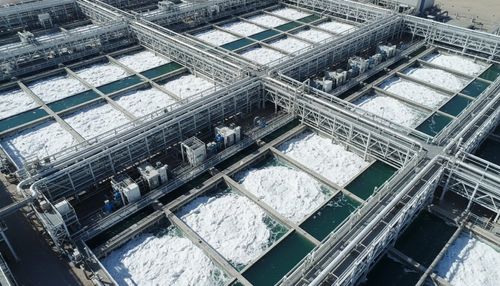
Silica is the most prevalent gangue mineral encountered in the processing of phosphate, potash, and iron ore. Its presence directly degrades the value of the final product and complicates downstream industrial applications. Silica flotation collectors are specialized surfactants that selectively hydrophobize quartz surfaces. By altering the chemical nature of these surfaces, we enable the separation of unwanted silicates from valuable mineral concentrates. Achieving high-purity results is a strategic necessity for global resource security. It requires a deep understanding of how chemical agents interact with mineral surfaces at a molecular level.
The Fundamentals of froth flotation dictate that separation depends entirely on the difference in surface wettability. While some minerals possess natural hydrophobicity, silica typically requires chemical modification to attach to air bubbles. The process of selecting collectors for silica flotation involves identifying reagents that provide high selectivity. This ensures that only the gangue is removed while the valuable mineral remains unaffected. High selectivity is the difference between a high-grade concentrate and a contaminated product that fails to meet market specifications.
Direct Flotation vs. Reverse Flotation Strategies
The decision to float silica gangue or the valuable mineral depends on the mass ratio of the ore. In reverse flotation, the silica is floated into the froth. This is often more economical for iron ore or phosphate when silica content is relatively low. A smaller mass pull into the froth reduces reagent consumption; it also simplifies downstream dewatering and tailings management. Conversely, direct flotation is preferred when the valuable mineral is the minority component. Managing these circuits requires a precise understanding of mass balance. Choosing the wrong strategy leads to excessive reagent costs and inefficient plant operation.
Surface Chemistry and Electrostatic Interactions
Quartz surfaces carry a specific electrical charge dictated by the pH of the slurry. The Point of Zero Charge (PZC) for quartz is typically around pH 2.0. Above this level, the surface is negatively charged. Collector ions must interact with this electrical double layer to achieve adsorption. Selecting collectors for silica flotation requires analyzing these electrostatic forces carefully. Surface defects or the presence of metal ions can create localized charge variations that interfere with collector attachment. Modern chemical formulations are designed to overcome these irregularities. They ensure a stable, predictable separation even in complex mineral matrices where multiple gangue types are present.
Chemical Classifications: Cationic vs. Anionic Silica Collectors
Cationic collectors serve as the industrial standard for silica removal across the globe. Amines, specifically primary, secondary, and tertiary variations, are the traditional workhorses in these circuits. These molecules rely on their positive charge to bond with the negatively charged quartz surface. When you're selecting collectors for silica flotation, understanding these base chemistries is the first step toward optimization. While primary amines are powerful, they often lack the selectivity required for complex ores. Tertiary amines provide a more refined approach, offering better control over froth stability.
Quaternary ammonium salts represent a more specialized branch of cationic chemistry. Unlike simpler amines, they maintain their ionic charge across a wider pH range. This makes them indispensable in alkaline environments where traditional amines might lose their effectiveness. Selecting collectors for silica flotation often comes down to this specific pH tolerance. If your circuit operates outside the neutral range, quaternary salts provide the stability needed to protect your concentrate grade and ensure consistent recovery rates.
Anionic collectors offer an alternative route, though they require chemical assistance to function effectively on quartz. To float silica with an anionic reagent, you must first introduce an activator such as calcium or magnesium ions. These ions create a chemical bridge between the mineral surface and the collector molecule. Detailed research into Surface phenomena in silicate flotation shows that this multi-step process can be highly effective in specific iron ore applications. However, the added complexity of managing activator dosing often makes cationic routes the preferred choice for modern, streamlined operations.
The Rise of Ether-Amine Chemistries
Ether-amines and ether-diamines have transformed silica processing in challenging climates. Traditional fatty amines often suffer from poor solubility in cold water, which leads to uneven dosing and wasted reagents. Ether-amines solve this through their unique molecular structure; the oxygen atom in the ether linkage increases water solubility and improves performance in low-temperature circuits. They also possess inherent frothing properties that are more manageable than those of fatty amines. This dual functionality simplifies the reagent suite, enhances selectivity in complex silicate mineralogy, and lowers the overall cost per ton processed.
Synergistic Reagent Blends and Formulations
Modern mineral processing rarely relies on a single chemical agent to achieve peak results. We've found that blending cationic collectors with non-ionic surfactants can significantly boost performance. These synergistic formulations improve the recovery of coarse silica particles that might otherwise remain in the final concentrate. Non-ionic agents help stabilize the froth and reduce the total collector dosage required. If you're managing complex mineralogy, exploring advanced mining flotation collectors can help identify the ideal blend for your site. Optimizing the collector-to-frother ratio is essential to prevent froth collapse and maintain high selectivity during peak production cycles.

A Strategic Decision Framework for Selecting Collectors
Operational success hinges on a framework that bridges molecular theory and plant-scale reality. Selecting collectors for silica flotation is not a one-size-fits-all process. It requires a systematic evaluation of four critical variables: ore mineralogy, water quality, thermal conditions, and circuit geometry. When ore grades decline, as is the current global trend, the margin for error in reagent selection disappears. A robust framework ensures that your flotation circuit remains a stable pillar of production despite feed variability.
Ore mineralogy is the primary driver of collector choice. While quartz is the typical target, the presence of feldspar and mica creates significant competition for reagent attachment. These minerals share similar surface characteristics with quartz, which can lead to poor selectivity and lost recovery. You must analyze the specific mineral associations to determine if a standard amine or a specialized ether-amine is required. Beyond mineralogy, water quality dictates performance. High salinity or hardness can interfere with the electrical double layer, requiring the use of reagents with higher tolerance for dissolved solids. Recycled water circuits present an additional challenge, as the accumulation of residual chemicals can alter the pulp chemistry over time.
Circuit design constraints also play a vital role. You must match reagent kinetics to the available residence time in your flotation cells. If a collector is too slow to adsorb, the silica won't have time to reach the froth before the slurry exits the cell. This mismatch leads to high silica content in the final concentrate. Ambient temperature further influences this balance; colder environments slow down chemical kinetics and reduce the solubility of traditional fatty amines. A wise selection strategy accounts for these seasonal shifts to maintain consistent grade and recovery year-round.
Selecting for Phosphate and Potash Operations
Phosphate and potash beneficiation present unique chemical environments. In potash mining, operations occur in saturated brines where standard electrostatic models often fail. Selecting collectors for silica flotation in these high-salt environments requires reagents that remain stable and selective despite extreme ionic strength. In phosphate processing, the challenge is managing the delicate balance between carbonate and silicate gangue. Tailored formulations allow for the selective removal of silica while protecting P2O5 recovery, even when the feed contains complex mineral associations.
The Impact of pH and Pulp Chemistry
Operating at the 'sweet spot' is essential for cationic silica flotation. Most amine-based collectors reach peak efficiency between pH 9 and 10. At this level, the quartz surface is strongly negative, and the collector is sufficiently dissociated to provide maximum adsorption. pH control is the most critical variable in your circuit. Deviating from the optimal range can lead to reagent waste or froth instability. Implementing stable buffer systems helps maintain this balance, ensuring the collector remains active and selective throughout the entire residence time.
Optimizing Performance and Troubleshooting Common Issues
Operational excellence in mineral processing requires constant vigilance and a proactive approach to troubleshooting. Even with a technically sound framework for selecting collectors for silica flotation, plant-scale variables can disrupt performance. Slurry rheology, particle size distribution, and reagent dosage levels must be managed with precision. We view this optimization process as a vital contribution to global resource efficiency. It ensures that every ton of ore is processed with the highest possible recovery and the lowest environmental footprint.
Reagent over-dosing is a common pitfall that often leads to counterintuitive results. While it's tempting to increase dosage to combat rising silica levels, excessive collector concentrations can trigger froth collapse. This occurs when the reagent begins to form micelles in the pulp or coats the valuable minerals non-selectively. The result is a significant loss in both grade and recovery. Maintaining the correct balance is essential to protect the stability of your circuit and prevent the unnecessary consumption of high-value chemicals.
Slime Management and Desliming Pre-treatments
Ultra-fine particles, or "slimes," present a formidable challenge to collector efficiency. These particles have a high surface-area-to-volume ratio, which allows them to consume a disproportionate amount of reagent. They also create a "slime coating" effect, physically blocking the collector from adsorbing onto the target silica surfaces. Utilizing hydrocyclones as a pre-treatment step is a standard industrial practice to remove these fines before they reach the flotation cells. When desliming isn't feasible, adding dispersants can help mitigate the coating effect. In these cases, selecting collectors for silica flotation that are specifically formulated for fine particle recovery becomes a strategic priority for maintaining concentrate purity.
Environmental Compliance and Reagent Handling
The global mining industry is undergoing a profound transition toward sustainability and ethical resource management. Navigating the complex web of international regulations for chemical discharge requires a shift in reagent philosophy. We're seeing a significant trend toward the adoption of low-toxicity and biodegradable collector chemistries that align with modern ESG standards. Safety protocols for the storage and handling of concentrated amines must be rigorous to protect both personnel and the local ecosystem. Biodegradable collectors represent a critical step forward in securing the long-term social license of mining operations worldwide.
Real-time monitoring and automated dosing systems are the future of reagent optimization. These technologies allow for precise adjustments based on fluctuating ore grades and pulp chemistry. By integrating digital solutions, you can reduce waste and ensure that your reagent suite performs at peak efficiency 24/7. To explore how advanced formulations can improve your site's performance, consider reviewing our range of mining flotation collectors designed for complex mineral challenges.
JAS Global Industries: Advanced Mining Flotation Solutions
JAS Global Industries understands that the stability of global resource chains depends on the efficiency of mineral extraction. We don't just provide chemicals; we deliver technical security. Our expertise in selecting collectors for silica flotation is rooted in decades of industrial history and a commitment to sustainability. By treating each mine as a unique chemical environment, we ensure that our solutions protect your concentrate grade while minimizing reagent waste. This mission-oriented approach elevates our role from a supplier to a vital guardian of your operational stability.
Our technical consulting services bring laboratory precision directly to your plant. We conduct on-site audits to identify bottlenecks in your flotation circuit and provide actionable strategies to improve mineral yields. We believe that long-term partnerships are built on shared success and technical transparency. Our experts analyze your entire process, from grinding to dewatering, to ensure that every chemical addition contributes to a more profitable and sustainable outcome.
Custom Formulations for Global Mining Operations
Standard reagents often fail to address the nuances of localized ore bodies. We develop site-specific collectors by analyzing the precise mineralogical profile of your feed. This collaborative process involves our researchers working directly with mine metallurgists to refine chemical architectures. We also integrate our specialized Mining Frothers and Depressants into a holistic strategy. This comprehensive approach ensures that every component of the flotation circuit works in harmony. By matching the reagent suite to your specific gangue associations, we help you achieve the high-selectivity results necessary for premium mineral concentrates.
Global Reach, Local Expertise
Our presence spans the Middle East, Africa, Asia, and Europe. This global footprint is supported by a network of manufacturing plants and R&I centers that guarantee consistent product quality. We recognize that operational reliability is as important as chemical performance. Our robust supply chain and logistics network ensure that critical reagents arrive on site without delay, protecting your production schedules from global market volatility. We act as a foundational industry presence, providing the reliability required to operate on a massive scale while maintaining conscientious social concern.
If you're looking to optimize your recovery rates and reduce silica contamination, we're ready to assist. You can Contact JAS Global for a technical audit of your flotation circuit. Our team provides the wise, experienced leadership needed to navigate the complexities of selecting collectors for silica flotation and securing the future of your mineral processing operations.
Advancing Efficiency in Silica Removal
Achieving high-grade mineral concentrates requires a technical commitment to precision. We've explored how matching molecular architecture to ore mineralogy creates the foundation for superior recovery. Success in selecting collectors for silica flotation depends on navigating complex variables, from pulp pH to the management of ultra-fine slimes. By implementing a strategic decision framework, you protect your circuit from the risks of silica contamination and excessive reagent consumption. This proactive approach ensures long-term profitability and operational safety.
JAS Global Industries has been a trusted partner in this mission since 1998. We leverage our multiple global R&I centers to develop specialized formulations, particularly for the challenging phosphate and potash sectors. Our goal is to provide the technical security and operational stability your plant demands. We invite you to Optimize Your Mineral Recovery with JAS Mining Solutions and experience the impact of site-specific chemical engineering. Together, we can ensure your operations remain a reliable pillar of global resource stability and industrial efficiency.
Frequently Asked Questions
What is the primary difference between cationic and anionic silica collectors?
Cationic collectors, such as amines, adsorb directly onto the negatively charged silica surface through electrostatic attraction. Anionic collectors lack this direct affinity and require a metal ion activator, like calcium, to bridge the chemical bond. Most modern mineral processing circuits favor cationic reagents because they simplify the dosing process and offer higher selectivity in reverse flotation applications.
How does water hardness affect the performance of ether-amine collectors?
Ether-amine collectors are specifically engineered to maintain high solubility in hard water environments. While traditional fatty amines often precipitate when they encounter high concentrations of calcium and magnesium ions, ether-amines remain active and effective. This characteristic ensures consistent performance in recycled water circuits where mineral salts tend to accumulate over time.
Can silica collectors be used in both direct and reverse flotation circuits?
Silica collectors are versatile enough for both circuit designs. In reverse flotation, they isolate the silica gangue to protect the concentrate grade of minerals like iron ore or phosphate. In direct flotation, they're used when the target mineral itself is a silicate. The strategy for selecting collectors for silica flotation is usually dictated by the mass pull requirements and the economic value of the feed.
Why is pH control so critical when selecting collectors for silica?
The electrical charge of the quartz surface is entirely dependent on the pH of the slurry. If the pH drops too low, the surface loses its negative charge, which prevents the cationic collector from adsorbing. Maintaining a pH between 9 and 10 ensures the quartz is sufficiently reactive for the collector to achieve maximum recovery and selectivity.
What are the environmental implications of using traditional amine collectors?
Traditional amines can pose risks to aquatic ecosystems if tailings are not managed with rigorous care. Global mining regulations now demand stricter control over chemical discharge into the environment. Transitioning to biodegradable reagents or implementing advanced water treatment protocols helps mines meet these ESG obligations while protecting the stability of local water resources.
How can I reduce the consumption of silica collectors without losing recovery?
Implementing real-time monitoring and automated dosing systems is the most effective way to reduce reagent waste. These systems adjust the dosage based on actual ore variability in the feed. Additionally, removing ultra-fine slimes before flotation prevents the non-productive consumption of collectors by particles that don't contribute to the final concentrate grade.
What role do frothers play in the effectiveness of a silica collector?
Frothers create the stable bubble structure required to transport hydrophobized silica particles to the collection launder. Without a balanced frother, the bubbles may burst before they can be recovered, which leads to significant lost recovery. A well-optimized collector-to-frother ratio ensures a mobile froth with a high carrying capacity for the isolated gangue.
Are there biodegradable alternatives for silica flotation chemicals?
Modern chemical engineering has produced several bio-based and biodegradable collector alternatives. These reagents offer a sustainable pathway for operations facing tight environmental restrictions or those aiming for higher ESG ratings. They provide the same high selectivity as traditional amines but break down more safely in the tailings storage facility after processing is complete.