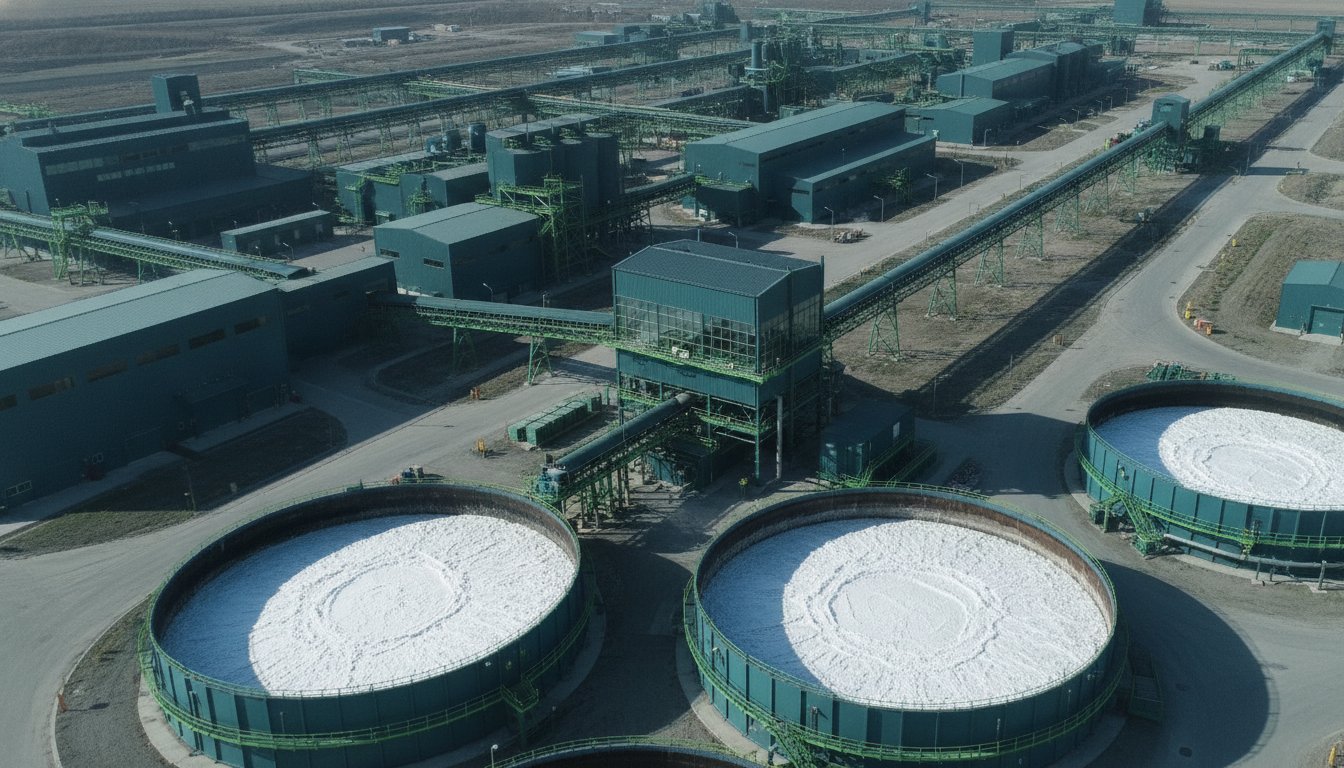

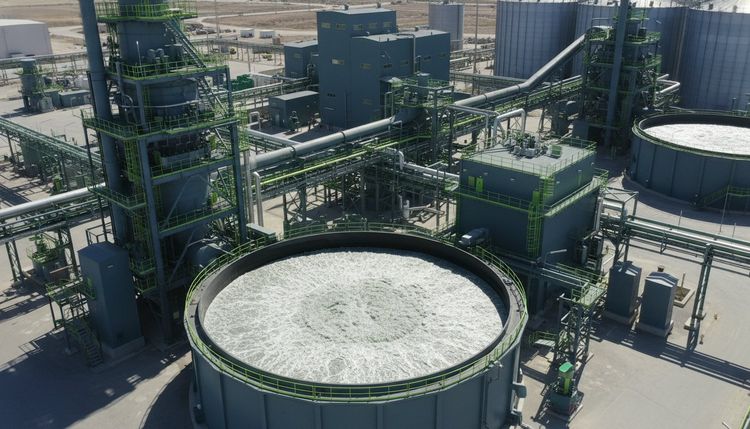
With the global phosphate rock market reaching an estimated value of $26.60 billion in 2026, optimizing fatty acid collectors for phosphate ore is more than a technical metric. It is a fundamental pillar of global resource security. You understand the daily struggle of maintaining high P2O5 grades when faced with hard water or high carbonate gangue. These operational hurdles often lead to excessive reagent consumption and inconsistent recovery rates that threaten the stability of your production.
Discover how advanced formulations provide the selectivity needed to separate apatite from challenging minerals like calcite and dolomite. We'll show you how modern, biodegradable chemistry is replacing traditional synthetics to ensure both environmental compliance and superior mineral recovery. This guide explores the synergy between mineralogical-specific formulations and precision dosing. Achieve higher yields. Lower chemical intensity. Secure long-term value.
Key Takeaways
- Understand how the molecular structure of anionic surfactants creates the essential air-bubble attachment required for efficient phosphate separation.
- Learn why surface conversion often causes recovery losses and how specialized fatty acid collectors for phosphate ore overcome the chemical similarities between apatite and carbonate minerals.
- Explore the transition toward biodegradable, bio-based collector chemistries that meet 2026 environmental standards without sacrificing industrial performance.
- Identify critical operational adjustments, such as high-intensity mixing and temperature management, to ensure optimal reagent dispersion in diverse climates.
- Discover how site-specific chemical formulations protect global resource stability by maximizing P2O5 grade while reducing total reagent consumption.
What Are Fatty Acid Collectors in Phosphate Flotation?
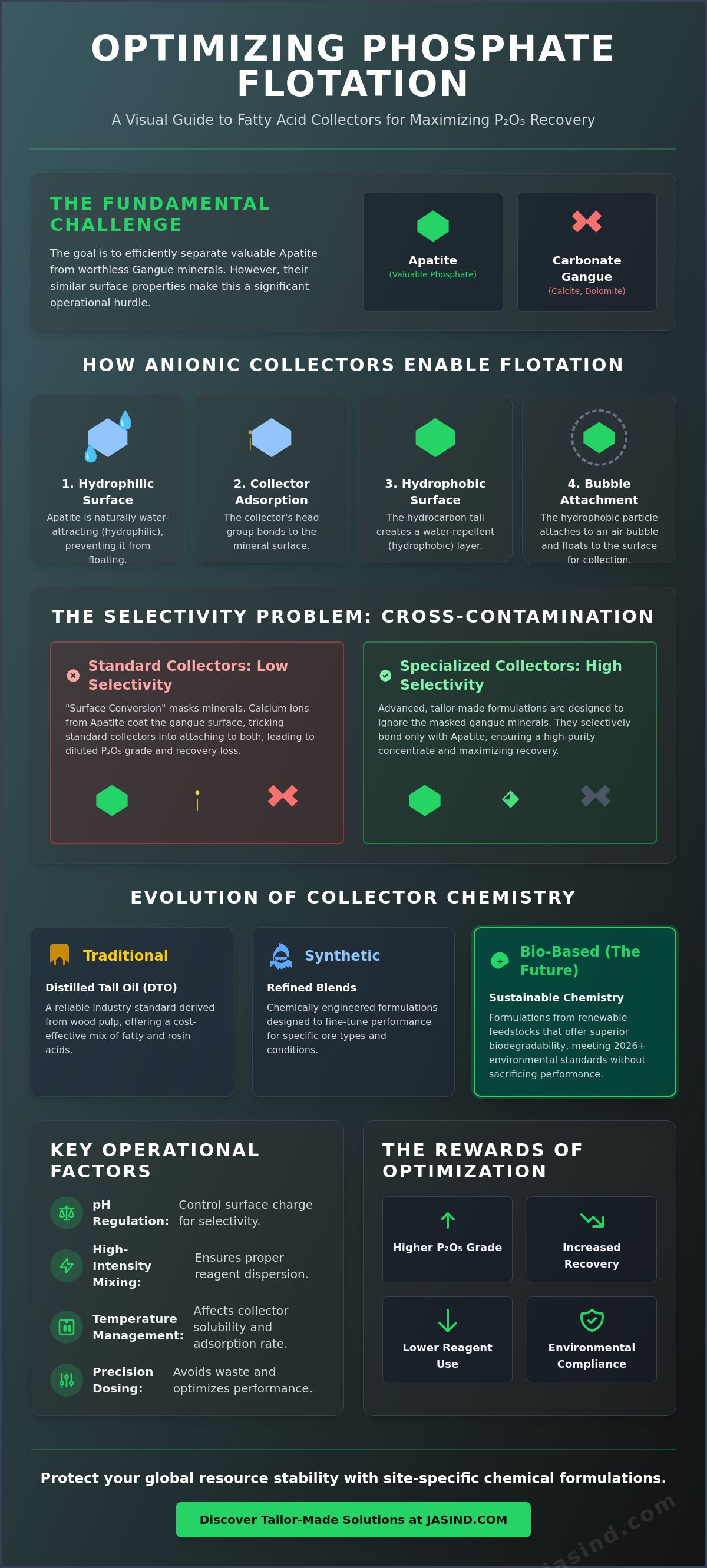
Fatty acid collectors for phosphate ore are the primary chemical agents used to separate valuable apatite from unwanted gangue minerals. These anionic surfactants function as selective bridges. They transform naturally hydrophilic phosphate surfaces into hydrophobic ones. This allows the mineral particles to attach to air bubbles during the froth flotation process. The success of this attachment depends on the collector's hydrocarbon chain. It builds the water-repellent barrier necessary for the mineral to rise to the surface of the flotation cell. Without this specific chemical interaction, the global production of essential fertilizers would lose its foundational stability.
These reagents remain the industry standard for both igneous and sedimentary ores because of their cost-effectiveness and high affinity for calcium-bearing minerals. However, the process is delicate. Operators must manage a critical balance between collector solubility and mineral surface affinity. If a collector is too soluble, it stays in the water phase and fails to coat the mineral. If it is too insoluble, it forms droplets that don't disperse. This leads to wasted reagent and poor recovery. Precision in formulation ensures that the extraction process remains both efficient and predictable.
The Chemistry of Anionic Flotation
The efficiency of the flotation circuit relies on the interaction between the collector’s carboxylic head group and the mineral surface. This head group seeks out calcium sites on the apatite crystal lattice. It forms a robust ionic bond at the mineral-water interface. This chemical bond is what keeps the collector attached under the turbulent conditions of a flotation cell. The Point of Zero Charge for phosphate minerals is the specific pH value where the mineral surface carries no net electrical charge. Understanding this value is essential for plant managers. It dictates how the anionic collector interacts with the surface and directly influences the overall selectivity of the process.
Common Sources: Tall Oil vs. Synthetic vs. Bio-based
Historically, Distilled Tall Oil (DTO) has been the dominant source for these collectors. It is a byproduct of the wood pulp industry and offers a reliable mix of fatty and rosin acids. Refined vegetable fatty acids and synthetic blends are also widely used to fine-tune performance. By 2026, the industry is increasingly moving toward sustainable, bio-based collectors. These formulations prioritize renewable feedstocks and offer superior biodegradability. One vital technical metric is the iodine value. It measures the degree of unsaturation in the fatty acid. A higher iodine value typically improves the collector's performance in colder climates by ensuring better solubility and faster adsorption. This technical evolution supports the broader mission of responsible and ethical resource management.
The Challenge of Selectivity: Apatite vs. Carbonate Minerals
The primary obstacle in phosphate processing is the mineralogical similarity between apatite and carbonate gangue. Calcite and dolomite share nearly identical surface properties with apatite. This makes standard fatty acid collectors for phosphate ore struggle to distinguish between them. The challenges of separating phosphate ores are compounded by a phenomenon known as surface conversion. In this process, calcium and magnesium ions dissolve and re-precipitate across mineral surfaces. This cross-contamination effectively masks the minerals. It tricks the collector into treating the gangue as if it were valuable phosphate. This lack of distinction is the leading cause of recovery loss in modern plants.
When selectivity fails, gangue carry-over dilutes the final P2O5 grade. This has a cascading effect on downstream fertilizer production. High carbonate content increases sulfuric acid consumption and slows down filtration rates during chemical processing. Operations must widen the selectivity window through chemical precision. Tailored collector formulations provide the necessary distinction to reject impurities while maintaining high recovery. Ensuring this balance is vital for the economic viability of any mining project. If you are facing complex ore matrices, exploring specialized phosphate mining chemicals can help stabilize your flotation circuit performance.
Managing Calcite and Dolomite Impurities
pH regulation is a fundamental lever for enhancing selectivity. Most circuits operate in a strictly controlled alkaline range where the surface charge of apatite and carbonates diverges. However, pH control alone is rarely sufficient for high-carbonate ores. Operators often deploy specialized mining depressants in conjunction with fatty acids. These agents selectively coat the gangue minerals to prevent collector attachment. The choice between direct flotation and reverse flotation depends on the specific carbonate ratio. A well-designed circuit ensures that the collector only targets the desired mineral phase.
Ionic Interference and Water Quality
Process water quality is a silent thief of efficiency. Dissolved Ca2+ and Mg2+ ions compete with mineral surfaces for collector molecules. These ions react with the fatty acids to form insoluble calcium soaps. These precipitates are useless for flotation. They consume expensive reagents and can cause scaling in the equipment. Mitigating water hardness is essential for protecting the flotation chemistry. Strategies include using water treatment antiscalants or dispersants to keep ions in solution. This ensures the collector remains available to adsorb on the apatite surface rather than being wasted in the water phase.
Sustainable Innovations in Collector Chemistry
The mining industry is undergoing a profound transformation. Traditional reliance on petro-based surfactants is yielding to a new era of sustainable specialty chemicals. This shift is driven by a global commitment to resource security and environmental stewardship. By 2026, ESG mandates have become central to chemical procurement strategies. Mining companies no longer evaluate reagents solely on immediate recovery. They now prioritize the stability of the entire ecosystem. Advanced fatty acid collectors for phosphate ore must meet rigorous 2026 standards for biodegradability and low toxicity. These requirements ensure that mineral processing remains a responsible contributor to the global supply chain.
Performance benchmarking reveals that modern, sustainable collectors frequently match or exceed traditional recovery rates. High-purity formulations offer better selectivity, which is critical as ore grades continue to decline globally. A comprehensive review of phosphate flotation reagents demonstrates that the molecular architecture of these new agents is specifically designed for complex mineralogies. This technical evolution allows operators to maintain high P2O5 yields while adhering to strict environmental regulations. The transition to sustainable chemistry is not just a regulatory hurdle. It is a strategic advantage for forward-thinking mining operations.
Bio-based Collectors: Performance and Ethics
The synthesis of modern fatty acid collectors for phosphate ore increasingly utilizes waste-stream lipids. This circular approach reduces the carbon footprint of the mineral processing supply chain. By repurposing industrial byproducts, chemical manufacturers provide a dual benefit: waste reduction and high-performance reagent production. Case studies in sensitive environments show that non-toxic reagents significantly lower the risk of groundwater contamination. This ethical approach to chemistry builds trust with local communities. It protects the long-term license to operate for major mining concessions.
Cost-Efficiency of Modern Formulations
Total Cost of Ownership (TCO) is the only valid metric for modern mining operations. While the initial price per ton of a premium collector may be higher, the downstream benefits are substantial. Increased selectivity directly reduces the amount of sulfuric acid required in fertilizer plants. Lower gangue carry-over means fewer impurities to process, which saves energy and chemical costs. High-performance collectors also enable the recovery of phosphate from low-grade ores that were previously considered uneconomical. This improves the overall ROI of the mine and extends the life of the resource. Investing in superior chemistry is a commitment to operational efficiency and global resource protection.
Operational Best Practices for Optimizing Recovery
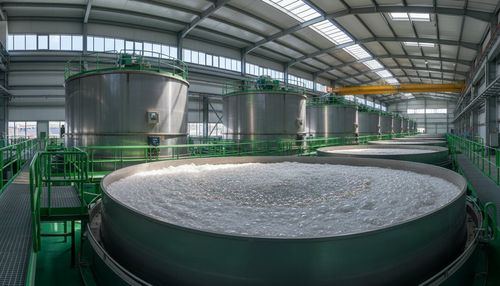
Operational excellence transforms raw chemical potential into marketable phosphate. While choosing the right fatty acid collectors for phosphate ore is the first step, the physical environment of the flotation cell determines the final recovery. Conditioning time is a non-negotiable factor. High-intensity mixing ensures that collector molecules successfully adsorb onto the apatite surfaces before entering the flotation banks. Short or low-energy conditioning results in smeared adsorption, where the reagent fails to create a uniform hydrophobic layer. This leads to high tailings losses and wasted chemical investment.
Balancing the reagent suite is equally vital. Collectors and mining frothers must work in synergy. If the collector dosage is too high, it can crowd the air-bubble interface, causing the froth phase to become brittle or collapse entirely. This over-collection prevents the mineral-laden bubbles from reaching the launders. A balanced circuit ensures stable, deep froth that can carry heavy phosphate loads while allowing gangue minerals to drain away. Achieving this equilibrium is the hallmark of a stable and profitable operation.
Temperature and Solubility Optimization
Temperature fluctuations are the enemy of consistency. In cold climates, fatty acids tend to thicken or precipitate, losing their ability to disperse in the pulp. Pre-emulsifying the collector with warm water or a specialized dispersant is a proven technique to maintain performance. Pulp temperature directly affects the kinetics of bubble-mineral attachment; warmer pulp typically speeds up the process by reducing the viscosity of the collector film. As the hydrocarbon chain length of a fatty acid increases, its water solubility decreases, necessitating higher temperatures or emulsification for effective dispersion.
Precision Dosing and Automation
Mining operations are moving toward real-time reagent management. Implementing automated dosing systems allows plants to adjust collector flow based on incoming ore grade and pulp density. This prevents reagent waste during low-grade periods and protects recovery when the grade spikes. Multi-point dosing along a flotation bank is another best practice. Instead of adding all the reagent at the head of the circuit, operators can stage the additions. This maintains a consistent hydrophobic environment throughout the long residence times required for fine phosphate particles. For plants struggling with inconsistent yields, upgrading to precision mining flotation collectors and automated delivery systems provides the stability needed for modern mineral processing.
JAS Global: Tailor-Made Phosphate Mining Chemicals
JAS Global understands that no two mines are identical. Standard fatty acid collectors for phosphate ore often fail to account for the subtle shifts in mineralogy that occur across a single deposit. We don't just supply chemicals; we provide industrial security. Our approach centers on formulating site-specific reagents that target your unique ore matrices with surgical precision. This level of customization ensures that your flotation yield remains stable despite fluctuations in feed grade or water quality. By focusing on the fundamental needs of your specific circuit, we help you maintain the stability of critical global resources.
Our commitment extends beyond the laboratory. We act as a vital guardian for your operation, ensuring that every ton of ore is processed with maximum efficiency. This dedication to performance is rooted in a long-standing corporate history of reliability and established trust. We balance technical industrial expertise with a sense of global responsibility. This ensures that your mining project meets both production targets and the increasing pressure for sustainable chemistry. We prioritize long-term value over simple logistics.
R&I Centers and Custom Formulations
Our Research and Innovation centers are the heart of our mission. We replicate your specific mine-site conditions within our laboratories to develop proprietary blends. These solutions address the specific gangue mineral challenges discussed earlier, such as persistent dolomite or calcite carry-over. With over 25 years of expertise in specialty chemical innovation, we've refined the art of balancing collector affinity with environmental responsibility. This history of reliability creates a stable atmosphere for your processing plant. We don't guess; we verify through rigorous testing and mineralogical analysis.
Partnering for Global Mineral Security
Global reach requires more than just manufacturing. It demands a sophisticated logistical network and steady communication. From our Dubai headquarters, we manage strategic supply chain solutions that reach global mining sites without delay. This ensures your operation never faces a shortage of critical reagents. We view our clients as long-term partners in global mineral security. Our process optimization support and technical consulting are designed to align our success with your recovery goals. We remain focused on the broader human impact of our technical solutions.
Technical consulting is a vital part of our partnership model. Our experts conduct on-site audits to identify bottlenecks in your flotation circuit. We analyze pulp density, conditioning energy, and dosing points to ensure our chemicals perform at their peak. Protect your resource. Maximize your output. Optimize your phosphate recovery with JAS Global's technical expertise. This commitment to sustainable resource protection defines our role as an indispensable pillar of modern infrastructure.
Securing the Future of Phosphate Recovery
Optimizing mineral extraction is a fundamental commitment to global resource stability. You've seen how the right chemistry overcomes the mineralogical similarities between apatite and carbonates. Success relies on widening the selectivity window while maintaining operational precision in diverse climates. High-performance fatty acid collectors for phosphate ore are no longer just commodities. They're strategic assets that protect your final P2O5 grade and reduce downstream costs. Transitioning to sustainable, bio-based formulations ensures your operation remains compliant with evolving environmental mandates.
Since 1998, JAS Global has served as a reliable pillar for the mining industry. Our multiple global R&I centers allow us to develop tailor-made chemical formulations for your specific ore bodies. We don't offer generic solutions; we provide the technical expertise needed to stabilize your flotation circuit. Partner with JAS Global for Customized Mining Flotation Solutions. Together, we can achieve superior recovery rates and ensure the long-term security of your mineral assets. Your path to industrial excellence starts with a partnership built on trust and technical precision.
Frequently Asked Questions
What is the primary function of a fatty acid collector in phosphate flotation?
The primary function is to render phosphate minerals hydrophobic for selective separation from the surrounding ore. These anionic surfactants adsorb onto the apatite surface, creating a water-repellent layer that facilitates bubble attachment. This process ensures that the valuable mineral rises to the froth while gangue minerals remain in the pulp. It's a foundational step for achieving high P2O5 grades in any commercial operation.
How does water hardness affect the performance of fatty acid collectors?
High water hardness introduces calcium and magnesium ions that interfere with fatty acid collectors for phosphate ore. These ions consume the reagent by forming insoluble soaps, which prevents the collector from adsorbing onto the mineral surface. Operators often need to use antiscalants or dispersants to mitigate these ionic effects and protect their chemical investment. Failure to manage hardness leads to excessive reagent consumption and lower recovery rates.
Can bio-based collectors replace synthetic ones in large-scale phosphate mines?
Bio-based collectors are increasingly replacing synthetic options in large-scale operations across the globe. By 2026, many sites have transitioned to vegetable-oil-based formulations to meet strict ESG requirements and environmental regulations. These renewable reagents provide comparable recovery rates and offer superior biodegradability. They ensure that industrial production remains stable while aligning with modern sustainability standards.
What is the optimal pH range for phosphate flotation using fatty acids?
Phosphate flotation typically operates within an alkaline pH range of 8.0 to 10.5. This specific range is critical because it optimizes the electrical charge on the mineral surface, which enhances collector adsorption. Maintaining a steady pH prevents the collector from becoming too soluble or losing its affinity for the calcium sites on the apatite. Precise control at this stage is vital for maintaining the stability of the flotation circuit.
How do I improve selectivity between apatite and dolomite?
Improving selectivity requires a combination of precise pH control and specialized depressants. Since apatite and dolomite share similar surface chemistry, site-specific fatty acid collectors for phosphate ore are often blended with agents that selectively coat the dolomite. This prevents collector attachment on the gangue and widens the selectivity window. Using these customized formulations is the most effective way to reject carbonate impurities in complex ore bodies.
Why is conditioning time critical for fatty acid adsorption?
Conditioning time is essential because it provides the high-intensity mixing required for uniform reagent adsorption. Without adequate conditioning, the collector might not fully coat the mineral particles, leading to poor bubble attachment and higher tailings losses. Proper residence time in the conditioning tank ensures the chemical reaction is complete before flotation begins. This step transforms the reagent's potential into actual mineral recovery.
What are the environmental advantages of using JAS Global mining chemicals?
JAS Global focuses on industrial security through sustainable chemistry and responsible resource management. Our formulations are designed to be biodegradable and non-toxic, which protects local ecosystems and groundwater stability. By improving selectivity, our reagents also reduce the total amount of sulfuric acid needed in downstream fertilizer production. This approach lowers the overall carbon footprint of your operation while securing the long-term license to operate.