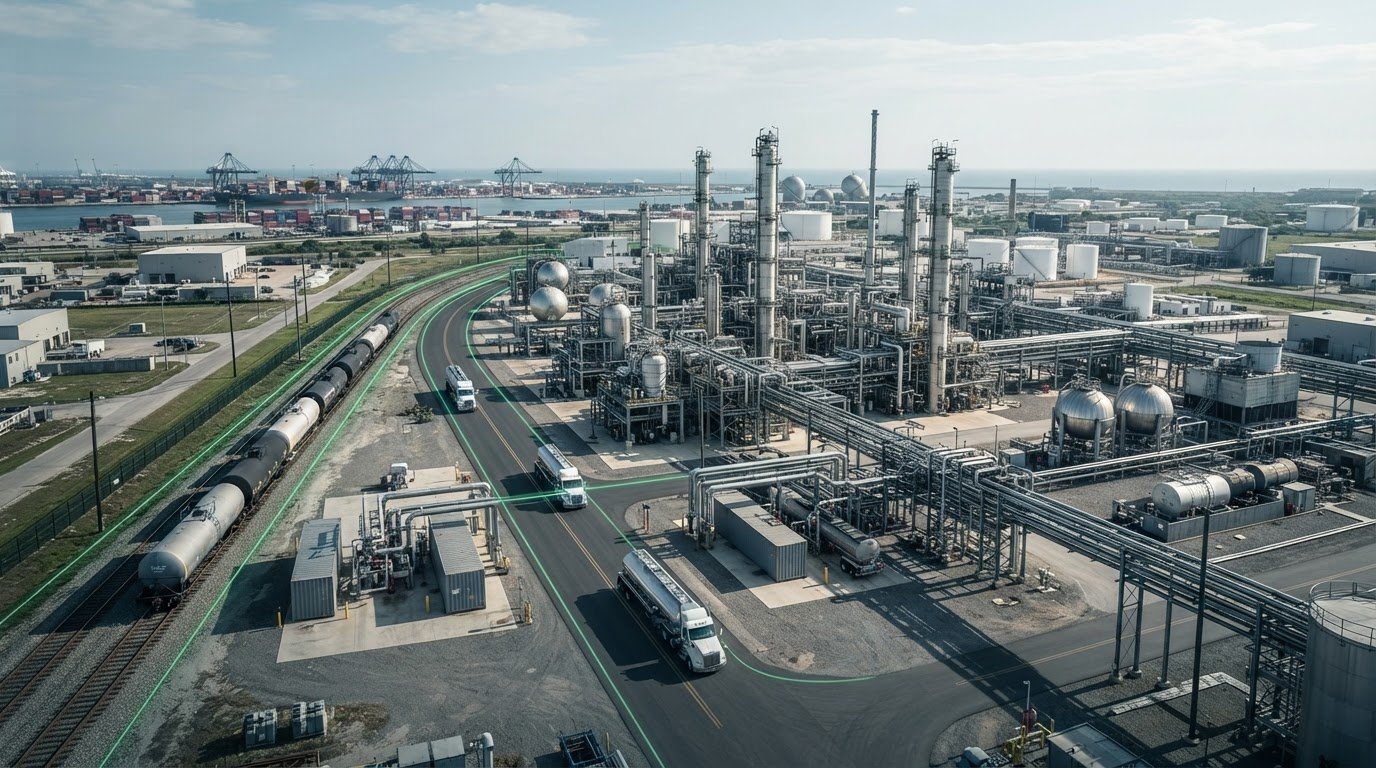

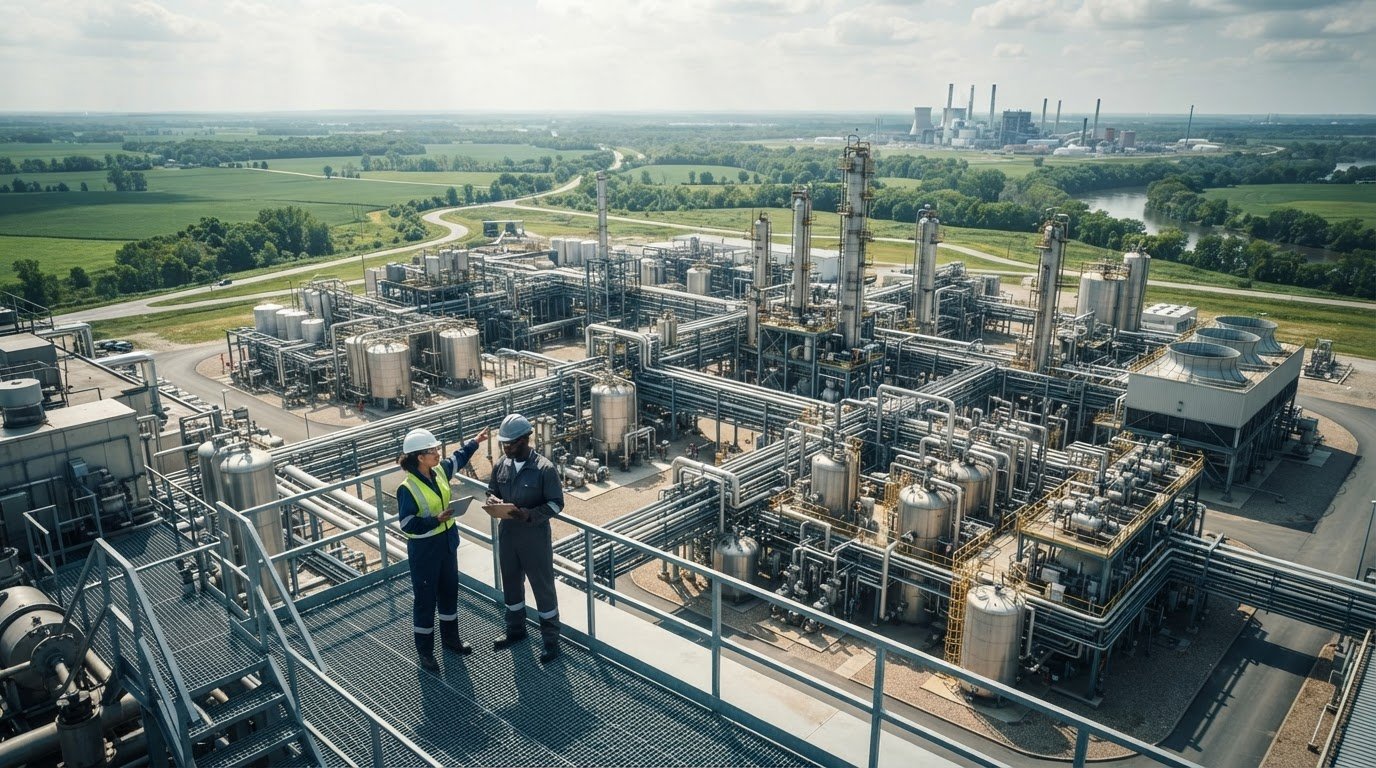
A low-cost chemical can become an expensive choice if it weakens process performance or adds operational risk. Understanding how to justify investment in process chemicals starts with comparing financial returns against operational outcomes, environmental performance, and lower-carbon capability. The decision should reflect value across the process, not purchase price alone.
It’s reasonable to expect an investment case to show clear returns. Yet value can also appear in more stable operations, improved process efficiency, or progress toward environmental goals. A practical way to understand how to justify investment in process chemicals is to assess those outcomes alongside costs, making trade-offs visible without treating any single metric as the whole story.
Use a consistent framework: establish a baseline, evaluate financial and operational results, include relevant environmental measures, and compare scenarios as priorities change. This helps support a grounded decision focused on near-term performance and longer-term resilience.
Key Takeaways
- Build the investment case around total process value, not chemical spend alone.
- Connect operational improvements to measurable business outcomes and sustainability priorities.
- Use scenario analysis to weigh capital, asset risk, and changing investment priorities.
- Assess potential returns against a clear baseline, including the costs and benefits that matter to your operation.
Balancing financial, operational, and sustainability goals
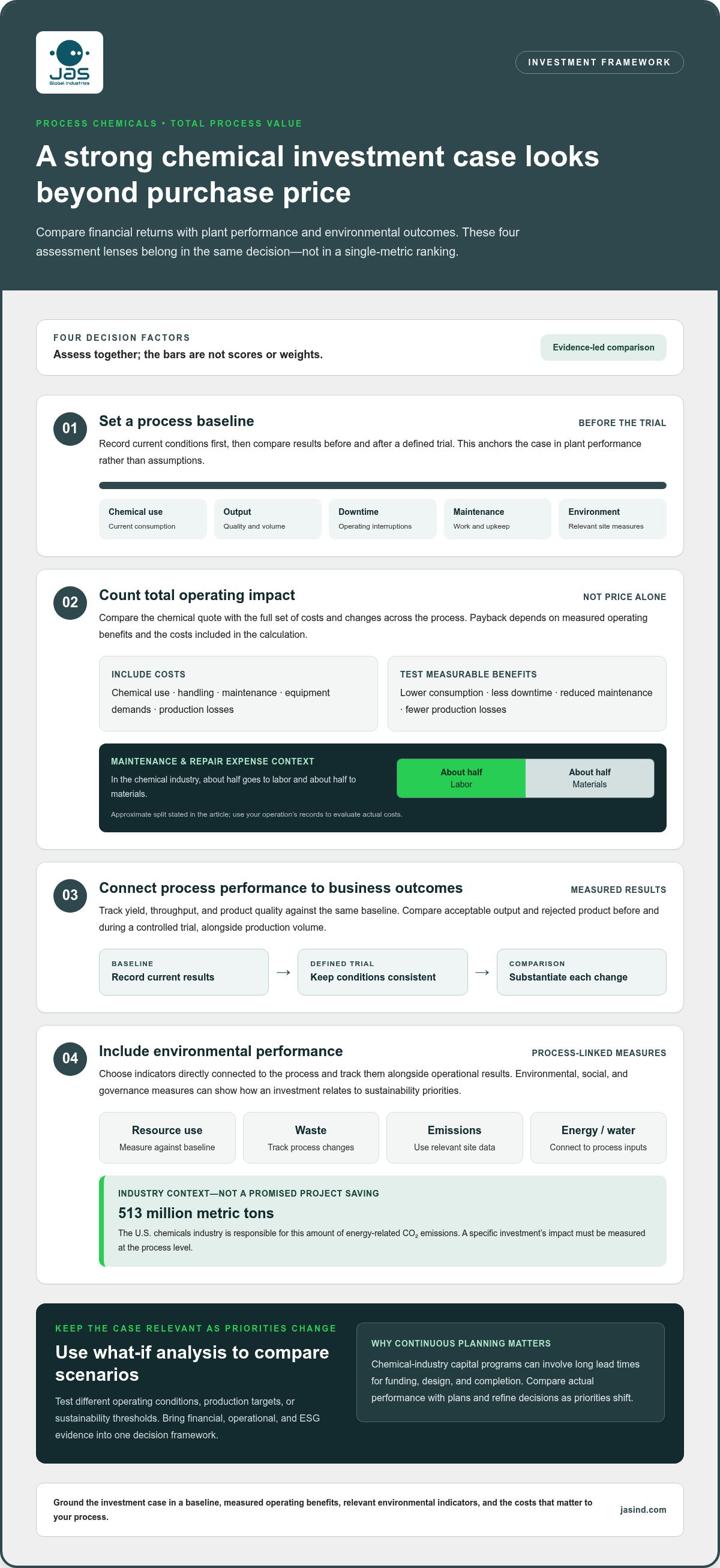
Set a baseline before evaluating a chemical investment. Record current consumption, output quality, downtime, maintenance, and relevant environmental measures. Then compare these indicators before and after a defined trial, linking the business case to plant performance rather than assumptions.
Build the financial view around total operating impact, not purchase price alone. Include chemical use, handling, maintenance, equipment demands, and changes in production losses. About half of chemical-industry maintenance and repair expenses go to labor, and about half go to materials. Plant operating conditions also tend to correlate with maintenance spending as a share of shipments, where adopting dedicated equipment such as rotary drum parts washers from theglobal1group.com can help lower labor overhead and turnaround times during maintenance cycles.
Process chemical prices and payback periods vary by application, dosage, product requirements, and supply terms. Payback depends on measured operating benefits and the costs included in the calculation. Use a quote to establish the applicable price, then evaluate it against your process baseline.
Potential manufacturing savings depend on the process and measured results. They may come from lower chemical consumption, less downtime, reduced maintenance, or fewer production losses. Compare each outcome with the baseline and include only changes the operation can substantiate.
Assess sustainability alongside financial returns. Environmental, social, and governance metrics can show how an investment contributes to ESG performance while balancing business-as-usual needs with sustainability goals. Choose measures directly linked to the process, such as resource use, waste, or emissions, and track them alongside operational results.
Use what-if analysis to compare strategies as priorities change. Test scenarios for operating conditions, production targets, or sustainability thresholds. Chemical-industry capital programs can involve long lead times for funding, design, and completion, making short-run adjustments difficult. Continuous planning helps teams compare actual performance with plans and refine decisions. Bring financial, operational, and ESG evidence together in one decision framework.
What-if analysis helps chemical companies compare investment strategies as priorities shift. Use it to assess financial, operational, and sustainability considerations together, while tying each alternative to measured plant performance and process goals.
Environmental compliance and lower-carbon capabilities
Assess environmental performance alongside process output. Map the site’s applicable environmental obligations, then identify the process measures that affect them. Track relevant emissions, waste, water use, and chemical consumption against a documented baseline. This connects environmental controls to capital decisions and shows where process changes may support compliance management and production reliability.
The scale of the challenge is substantial: the U.S. chemicals industry is responsible for 513 million metric tons of energy-related CO2 emissions. That figure makes emissions a material consideration in investment planning. It doesn’t prove that a particular chemical investment will reduce emissions. Instead, it points to the need to measure process-specific energy use and emissions before and after a change.
Prioritize the processes with the greatest potential impact. In the United States, 18 of the largest-volume chemicals account for more than 75% of emissions from chemicals and petrochemicals. Use this concentration to guide analysis toward high-impact production areas. Compare process alternatives using consistent boundaries, including the energy and material inputs associated with each option.
Lower-carbon capability also needs a clear strategic horizon. The U.S. Department of Energy’s Industrial Efficiency and Decarbonization Office aims to help put the nation on a path toward a net-zero economy by 2050. For an investment case, translate that direction into operational questions: could a process change reduce energy demand, support lower-emissions production, or improve resource efficiency? Record expected outcomes as measurable indicators, not broad claims.
Use a practical assessment sequence:
- Set the baseline for emissions, energy, water, and waste.
- Identify the process stage and inputs linked to each impact.
- Compare alternatives using the same production and measurement boundaries.
- Track actual results against targets after implementation.
For capital approval, connect each environmental indicator to an operational measure, such as energy per unit of output. This lets decision-makers evaluate environmental performance without separating it from process reliability. Review environmental process priorities as part of a broader investment assessment.
Multidimensional assessment of chemical investment attractiveness
Assess a chemical investment across cost, process performance, supply resilience, and asset risk. The chemical industry is highly sensitive to capital costs and cash flow, so include funding needs and timing in the decision. PwC’s 2026 Chemicals Production and Investment Attractiveness Index assessed the top 25 countries by commodity chemicals sales across five categories. It normalized subcategory values on a 1-100 scale before calculating category scores.
Compare total cost of ownership, not just price per unit. Include chemical consumption, handling, storage, maintenance, equipment effects, and production losses over the assessment period. Then compare the total with measurable operational and quality outcomes.
Measure benefits by tracking yield, throughput, and product quality against the same baseline. For example, record acceptable output and rejected product before and during a controlled trial, alongside production volume. Keep operating conditions consistent so the comparison is meaningful.
Build the baseline from operating records: chemical use, output, downtime, maintenance, and quality results. Add relevant supply and asset data, including delivery variability and equipment condition. Chemical companies can assess asset risk by calculating risk, cost, and value over time, then identifying optimal intervention dates.
Include less obvious costs and risks, such as extra handling, disruption during changeover, compatibility issues, and supply interruption. Assess how each could affect production continuity and cash flow. Separate documented costs from assumptions so decision-makers can see what drives the result.
Run a pilot under defined operating conditions, with an agreed baseline, measurement plan, and success criteria. Track chemical consumption, yield, throughput, product quality, and operational impacts throughout the trial. Compare results with baseline performance before recommending a wider investment.
Give management and finance a concise case covering the baseline, expected costs, measured benefits, key risks, and scenario comparisons. As priorities shift, include what-if scenarios for alternative supply or operating conditions. Link each recommendation to evidence, cash-flow implications, and a clear next decision.
China, the United States, and Taiwan occupy the top tier of PwC’s 2026 Chemicals Production and Investment Attractiveness Index. This ranking can inform country-level screening, but it does not replace site-specific analysis of costs, process results, supply resilience, and asset exposure. Test each candidate against the same operating assumptions.
How to calculate ROI for process chemical investments?
Set a comparison period and record the current process baseline, including chemical use, acceptable output, throughput, quality losses, downtime, and maintenance. Use the same measures after the change. This ties the return calculation to operating evidence rather than assumptions about potential improvements.
Calculate net benefit by combining verified operating gains and subtracting the full investment cost. Gains may include additional saleable output, less rejected product, reduced downtime, or lower maintenance demand. Include chemical consumption, implementation, handling, process adjustments, and any added equipment or training in the costs. Avoid counting one benefit twice, such as treating improved yield and reduced waste as separate gains when they result from the same change.
A standard ROI calculation expresses net benefit as a share of investment cost: divide net benefit by total investment cost, then multiply by 100 to express the result as a percentage. For a useful comparison, show the underlying benefit and cost categories beside the result. Finance teams can then see which operating changes drive the calculation.
Distinguish ROI from payback. ROI compares net benefit with investment cost over the selected period; payback identifies when accumulated benefits offset the initial cost. Both depend on measured performance, chemical dosage, output value, and recurring costs. State the assumptions clearly, including the assessment period and whether benefits are expected to continue at the observed rate.
Test the calculation against alternative scenarios. A lower-throughput case can show whether returns depend on production conditions, while a supply-disruption scenario can reveal exposure to interruptions. Sensitivity analysis highlights the assumptions that most affect the result. If a small change in dosage or quality materially shifts the outcome, monitor that variable closely.
For management approval, present the baseline, calculation, evidence, risks, and decision requested on one concise summary. Attach operating data and explain how results will be tracked after implementation. This creates a clear path from trial evidence to investment review. Discuss process chemical investment needs with a specialist team.
JAS Global Industries: Fertilizer Anti-caking Agents
JAS Global Industries supplies Fertilizer Anti-caking Agents for operations assessing chemical investments in fertilizer handling. Consider them when caking is a process concern, and evaluate performance against your baseline, application requirements, and operating outcomes.
The same value-led approach applies to Fertilizer Dust Suppressants, Mining Flotation Collectors, and Mining Grinding Aids. Define the process need first, then compare total operating impact and measured performance with the current approach. This keeps the investment case specific to the application rather than relying on product price alone.
For a chemical investment review, bring together the relevant process goals, baseline measures, and criteria for evaluating results. Contact JAS Global Industries or visit jasind.com to discuss your process chemical needs.
Make the next decision actionable
A strong investment case should lead to an operating decision, not sit in a spreadsheet. Choose a process opportunity where the intended change can be observed, assign responsibility for tracking results, and agree how findings will guide the next investment stage. This connects the evaluation to plant practice and gives teams a shared basis for learning.
Justifying investment in process chemicals also means recognizing when evidence supports action, when a trial needs refinement, and when another priority deserves attention. Treat each decision as part of a disciplined improvement cycle. Preserve what the operation learns, revisit assumptions as conditions shift, and share findings with operations, finance, and sustainability teams.
For a closer look at relevant applications, explore JAS Global Industries’ process chemical solutions. A thoughtful next step can turn a well-framed opportunity into a stronger, more informed operational decision.