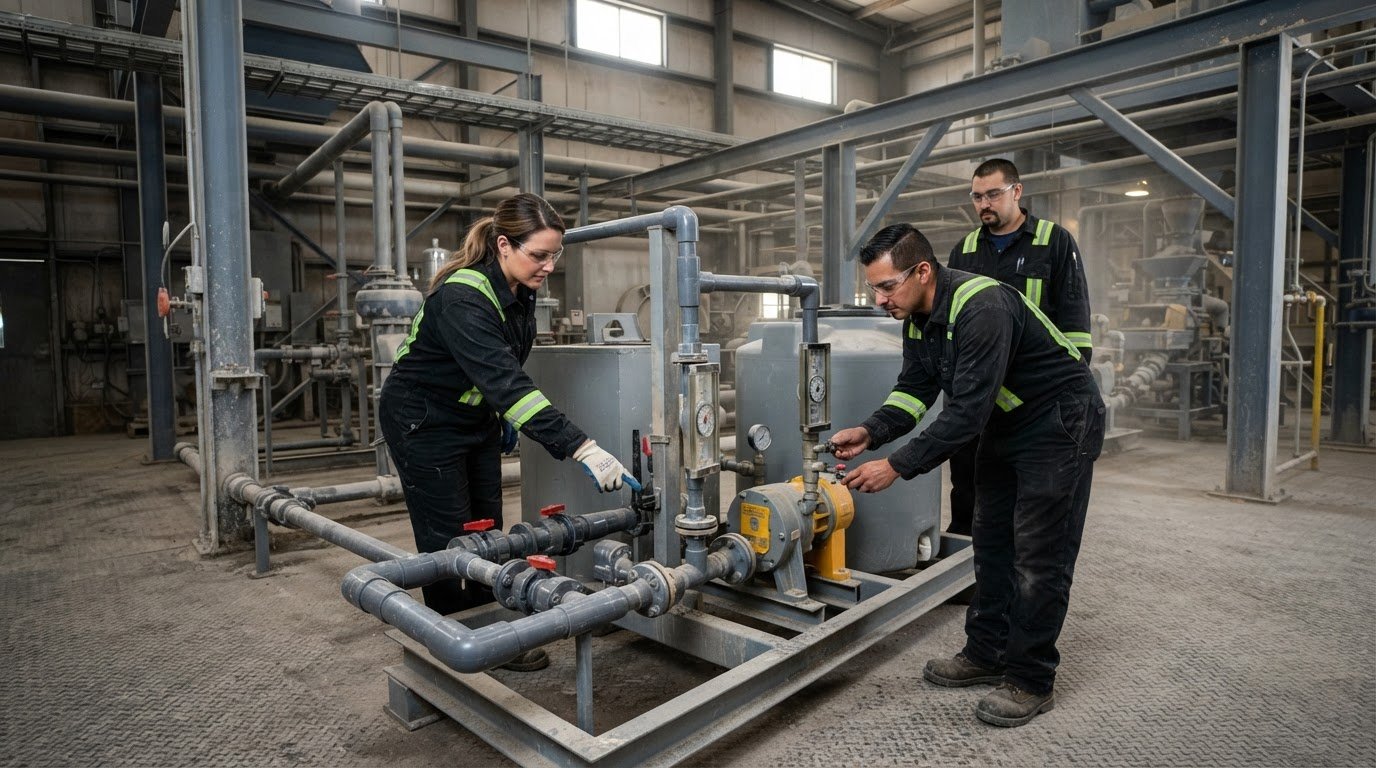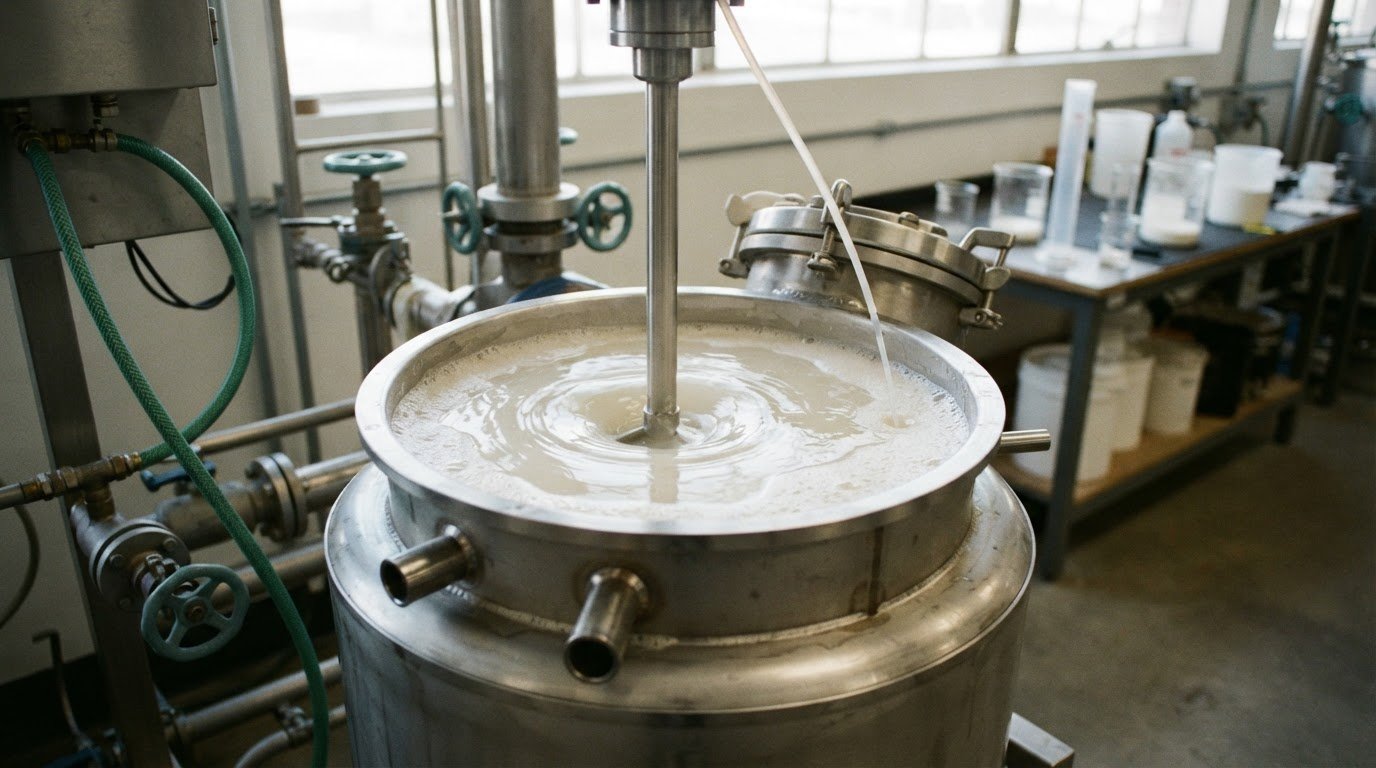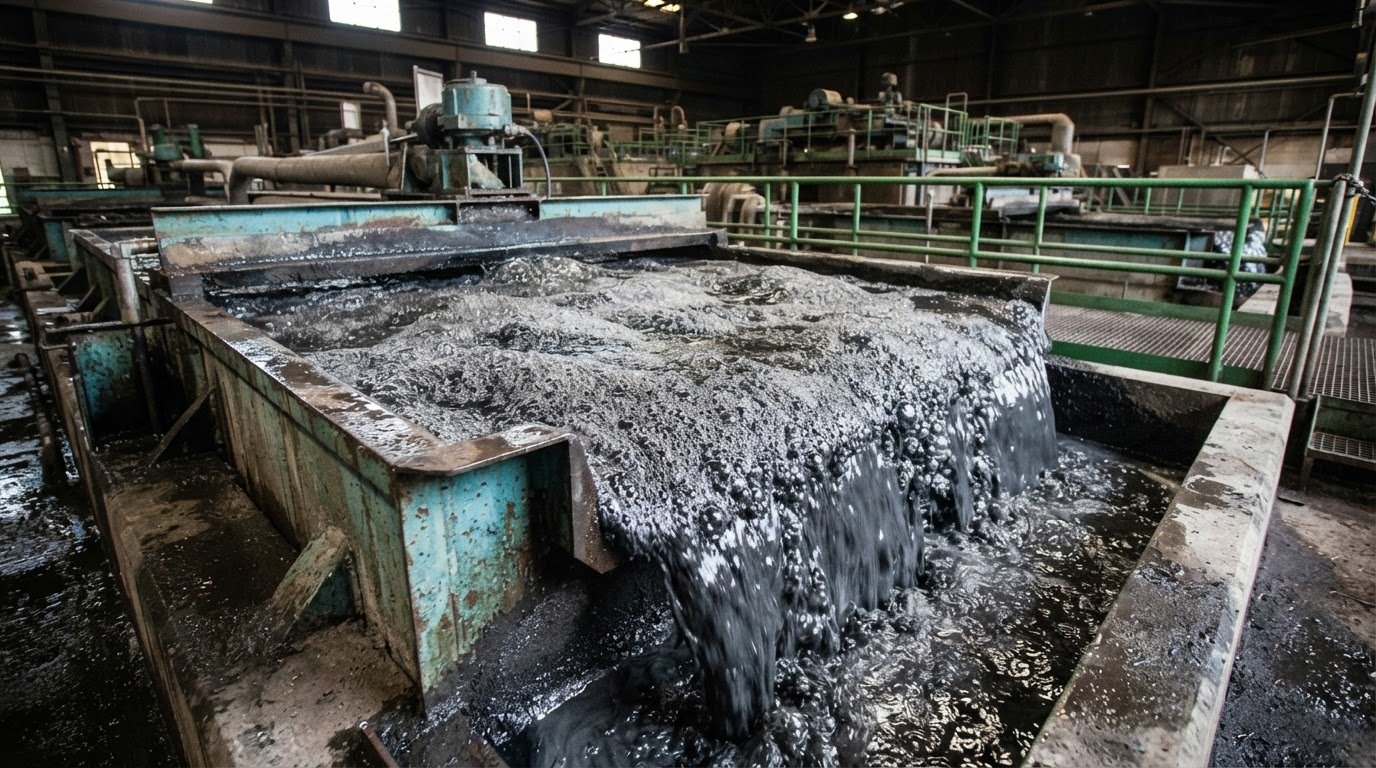

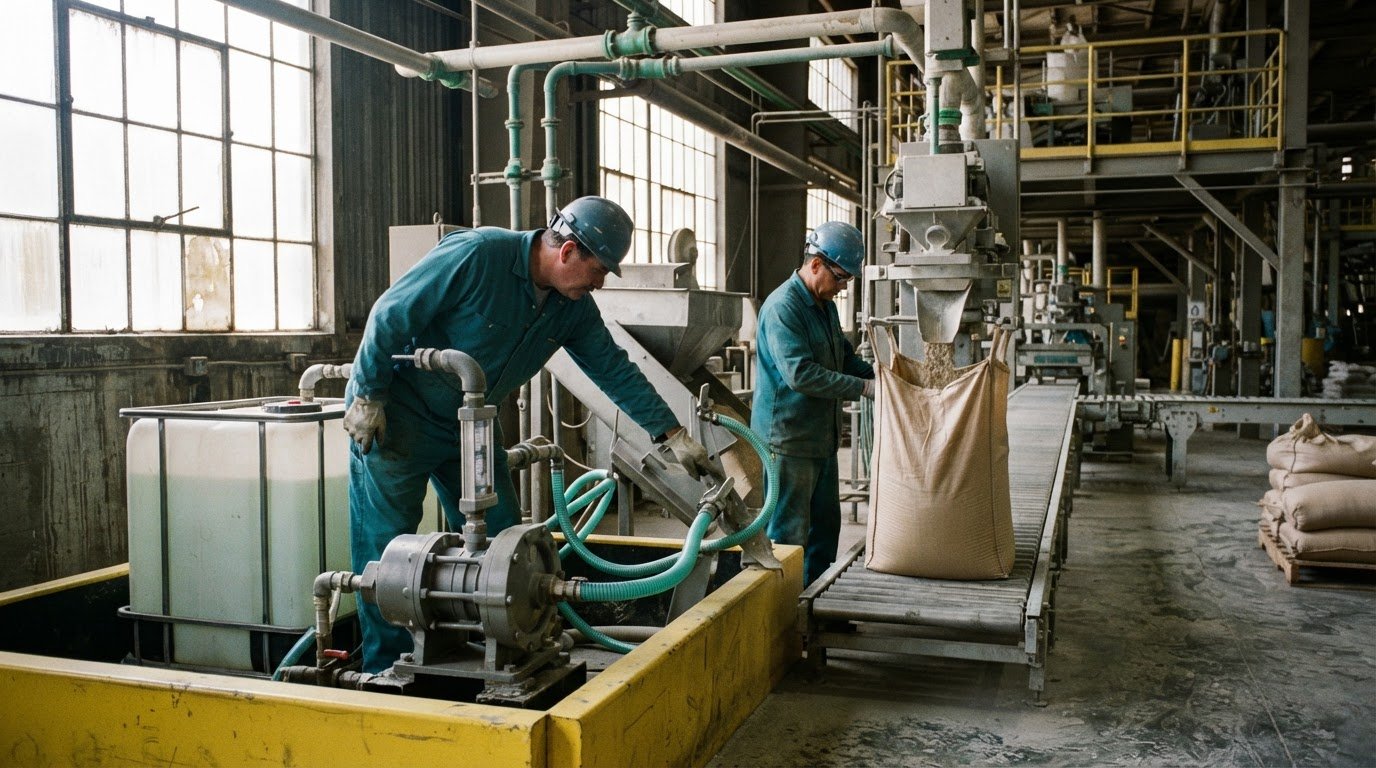
Premium chemical programs need a clear financial case, not just a strong technical one. Securing budget for premium chemical programs starts with showing how the investment supports process priorities and how its full costs will be managed.
Bring program expenses and overhead into one view, test assumptions against operating needs, and set cost controls that make spending easy to track. A well-prepared estimate shows decision-makers what the program requires and how it fits broader budget priorities.
This article explains how to structure budget reviews, identify program and overhead costs, and build estimates that support informed funding decisions. It also covers how ongoing cost controls can keep premium chemical programs aligned with operating goals.
Budget reviews and cost control
Securing budget for premium chemical programs starts with a defined scope and a clear link to operating priorities. Identify expected consumption, application schedules, performance measures, and the process conditions behind the estimate. Separate chemical purchases from labor, equipment adjustments, storage, monitoring, waste handling, and administration. Showing these categories makes the full funding request easier to assess.
In the United States, safety, environmental, and regulatory requirements may affect costs through training, protective equipment, handling procedures, monitoring, documentation, and waste management. Applicable expenses depend on the chemical, process, site conditions, and relevant requirements. List these activities separately so reviewers can see how they support responsible operations.
Costs can exceed forecasts when consumption shifts, process conditions change, or the program’s scope expands. Supply disruptions, unplanned equipment adjustments, and added monitoring or waste handling can also affect spending. For example, a process change that increases chemical demand may also change handling needs. Record each risk beside the budget lines it could affect.
Set a regular review cycle. Compare actual spending with the approved estimate, explain variances, and revise forecasts when operating assumptions change. Investigate variances rather than making automatic cuts. Lower use might reflect improved efficiency, but it could also point to a process issue. Review spending alongside operating measures to understand the difference.
- Assign ownership. Identify who tracks each budget category and explains its variances.
- Record assumptions. Document expected usage, operating conditions, and included overhead.
- Set review triggers. Flag changes in consumption, scope, or operating conditions for timely review.
For example, if changed process conditions raise demand, revise the usage forecast and related handling estimate together. Assess the updated request against operating priorities before adjusting funding. This keeps decisions tied to process performance and cost controls. A disciplined review also strengthens the case for securing budget for premium chemical programs by showing how assumptions, risks, and spending relate.
Estimating program and overhead costs
Build the estimate around the work the chemical program must support. Start with expected consumption under defined operating conditions, then identify delivery frequency, storage needs, handling, and process monitoring. Separate direct chemical expenses from labor, equipment adjustments, training, waste management, and administrative support. This structure shows decision-makers what the program requires and which assumptions drive the forecast.
Use operating records to estimate demand, distinguishing routine use from ramp-up, shutdown, and process changes. For example, changes in ore characteristics or water quality may affect chemical consumption. State the assumptions behind each scenario, then explain how changes in those conditions would alter the estimate. Tie costs to the program period and funded operating scope.
Common commercial structures include fixed unit pricing, volume-based pricing, and bundled program pricing. Contract terms may also define product specifications, delivery schedules, invoicing, review periods, and how scope changes are handled. For budgeting, map each structure to its billing unit and included services. For example, separate a bundled amount into its defined components before comparing it with other estimates.
Organize the estimate into clear categories:
- Program inputs: expected chemical volume, application schedule, and delivery requirements.
- Operating support: labor, equipment changes, monitoring, and training tied to implementation.
- Overhead and contingencies: storage, waste handling, administration, and documented scenario changes.
Test the forecast against lower-demand, expected-operating, and higher-demand cases. These are planning scenarios, not promised outcomes. Record what changes in each case, such as throughput, dosage assumptions, or handling requirements. This gives finance a transparent basis for evaluating the request and helps operations identify cost drivers before approval.
For chemical program planning, connect the estimate to the process conditions and scope it is intended to support. A well-defined estimate makes the requested resources easier to assess without confusing product expense with the overhead needed for safe, reliable operation.
What business benefits and ROI can justify a premium chemical program?
A premium chemical program earns budget support when its operational contribution can be measured. Link the requested investment to a process objective, such as steadier production, improved recovery, fewer interruptions, or lower resource use. Then compare the relevant measure before and after implementation under comparable operating conditions. This gives finance a clearer basis for weighing program value against its full cost.
Choose indicators that reflect the process, not just chemical volume. A mining operation might track recovery and throughput; a water treatment operation might monitor treatment performance, water use, and downtime. Pair each indicator with a baseline, review period, and owner. Document changes in feed conditions or operating schedules, which can affect results independently of the chemical program.
- Production: Track output, recovery, yield, or time lost to process interruptions.
- Resources: Measure water, energy, or raw-material use per unit of production.
- Reliability: Record maintenance events, equipment condition, and unplanned downtime.
- Environmental management: Monitor relevant waste streams and handling requirements.
Translate the chosen measures into a transparent value model. Estimate avoided losses and operating savings, then subtract incremental program and implementation expenses. One useful calculation is net benefit divided by program investment; state the period and assumptions alongside the result. For example, if reduced downtime is part of the case, calculate its value using documented lost production and the operation’s own contribution per production unit. Avoid counting the same gain under both throughput and downtime.
Separate measured results from projected benefits. A pilot or controlled operating evaluation can establish whether a change aligns with the expected process outcome. Record the baseline, operating conditions, and comparison period. If results vary by production line or feed quality, report those differences rather than combining them into one headline figure.
For budget approval, present a concise business case: the process constraint, selected indicators, expected mechanism of improvement, and method for tracking results. This ties premium program funding to operating priorities and gives decision-makers a disciplined way to assess performance over time.
How do premium chemical programs compare with standard chemical programs?
The label “premium” alone does not establish a chemical program’s value. Compare the proposed program with the current approach under the same process conditions, operating scope, and measurement period. A sound comparison separates product characteristics from technical support, monitoring, and implementation requirements. Identify what each proposal includes so the decision reflects the full program, not just a product name.
Start with a like-for-like assessment. For example, compare performance at equivalent throughput and feed conditions, then track the process measures that matter to the operation. If one option includes additional monitoring or process support, record that difference explicitly. Do not assume either program will deliver a particular outcome without evidence from relevant operating data.
- Scope: Compare chemical application, delivery needs, technical support, and monitoring included.
- Process fit: Assess how each option aligns with the operation’s feed, water, equipment, and target conditions.
- Evidence: Use comparable operating records and agreed performance measures to assess results.
- Total requirement: Include implementation, handling, labor, and overhead alongside product expenditure.
A standard program may suit a stable process with established requirements and predictable performance. A more tailored program may merit evaluation when process conditions vary, existing measures fall short, or the operation needs closer technical alignment. These are decision criteria, not automatic advantages. Use the operation’s own data to determine whether additional program elements address a material process need.
For budget review, document the baseline, comparison conditions, and reasons for selecting each measure. Separate observed results from projections, and show how changes in throughput or feed characteristics could affect the comparison. This helps finance distinguish a higher input requirement from a broader operational benefit. It also gives operations a clear basis for continuing, adjusting, or reassessing the program as conditions change.
To discuss a program aligned with your process, connect with the chemical team and outline the operating requirements and performance priorities.
JAS Global Industries
JAS Global Industries helps industrial teams connect chemical program requirements with process goals and operating priorities. Its specialty chemical solutions serve mining, fertilizers, and water treatment, with tailor-made formulations designed to support process efficiency and operational reliability. This is a practical next step when a budget review identifies a process challenge that calls for a more closely aligned chemical approach.
For a funding proposal, define the process conditions, current constraints, and performance measures that matter to your operation. This context helps frame a practical discussion about program needs and suitable chemical solutions. JAS Global Industries offers products including Mining Flotation Collectors and Mining Grinding Aids, alongside other specialty chemical solutions.
For a discussion about your chemical program requirements, contact JAS Global Industries.
Turn the Funding Case Into a Next Step
A funding decision can also create a clear basis for continued collaboration between operations, procurement, and finance. Keep the approved objectives visible as the program advances, so future decisions stay connected to the process needs that justified the investment. This makes securing budget for premium chemical programs part of long-term operational planning, not a one-time request.
JAS Global Industries offers specialty chemical solutions including Fertilizer Anti-caking Agents, Fertilizer Dust Suppressants, and Mining Flotation Collectors. Its tailor-made formulations are developed to support process efficiency and operational reliability. If your funding case points to a chemical solution suited to specific operating conditions, discuss your process priorities and program requirements with the team.
Contact JAS Global Industries to discuss your chemical program needs and take the next step with a clear operational focus.
Frequently Asked Questions
What are premium chemical programs and what costs do they include?
Premium chemical programs combine specialty chemical inputs with a defined approach to an industrial process need. Their budgets can include chemical supply, delivery, implementation support, process monitoring, staff time, handling, storage, and waste management. For example, a water treatment program may require a budget for both chemicals and the operating activities needed to apply and monitor them. The precise scope depends on the process and program design.
How much do premium chemical programs typically cost in the United States?
There is no single typical U.S. cost because program scope and operating conditions differ. A project-specific price depends on the case and is provided after a quote request; key factors include chemical type and volume, delivery requirements, process conditions, and any included technical support. For internal planning, identify these cost drivers and define the intended program scope before setting a funding request.
How can companies build a budget proposal for premium chemical programs?
Build the proposal around a specific operating need and a defined decision. Describe the process area, the issue to address, the requested program scope, and the budget period. Then show how funding supports the operation’s priorities and who will own implementation and review. A useful proposal also identifies dependencies, such as production plans or equipment changes, so approvers understand its assumptions.
What data should be used to forecast chemical program costs and savings?
Use site operating records that connect chemical use with production conditions. Relevant inputs include consumption by process area, production volume, feed or water characteristics, operating schedules, and documented interruptions. For savings estimates, use records tied to the proposed benefit, such as lost production associated with downtime. Keep assumptions visible and distinguish measured historical results from projections so reviewers can see how the forecast was developed.
What procurement strategies can reduce premium chemical program costs?
Match purchasing decisions to operating demand rather than ordering solely to secure a larger volume. Coordinate forecasts across relevant sites or process lines when specifications and delivery needs align. Review order frequency, delivery schedules, packaging, and inventory requirements together. Consolidation may simplify procurement, but excess stock can create handling and storage burdens. Assess the complete supply arrangement against process continuity and practical storage capacity.
How can companies monitor and control premium chemical program spending?
Connect each purchase order to a program, site, and budget category, then reconcile invoices with deliveries and usage records. Review actual spending alongside production activity, not in isolation. If consumption changes, document whether process conditions, operating schedules, or application practices changed as well. A clear variance record helps finance distinguish a genuine budget issue from a shift in production demand and supports timely, informed adjustments.