
A plant can run continuously and still lose performance through process imbalances, unclear priorities, or knowledge gaps between teams. Chemical process optimization consulting helps identify the causes and turn them into a practical improvement plan, grounded in how the plant actually operates.
That work can include developing heat and mass balances, aligning operations and technical teams around shared priorities, and setting measurable success criteria. The goal is not just to recommend a change, but to explain its purpose, expected effect, and implementation to the people responsible for the process.
This article explains how consultants build a reliable picture of a process, coordinate decisions across teams, define project outcomes, and transfer knowledge so improvements can last. It also describes what shapes an engagement and how specialty chemical expertise can support process efficiency and operational reliability.
Cross-functional collaboration and continuous improvement
Process improvements last when operating insight, technical expertise, and team decisions support shared production goals. A process scheme can turn plant data into focused actions for quality, reliability, and sustainable performance.
Adopting Process Improvements
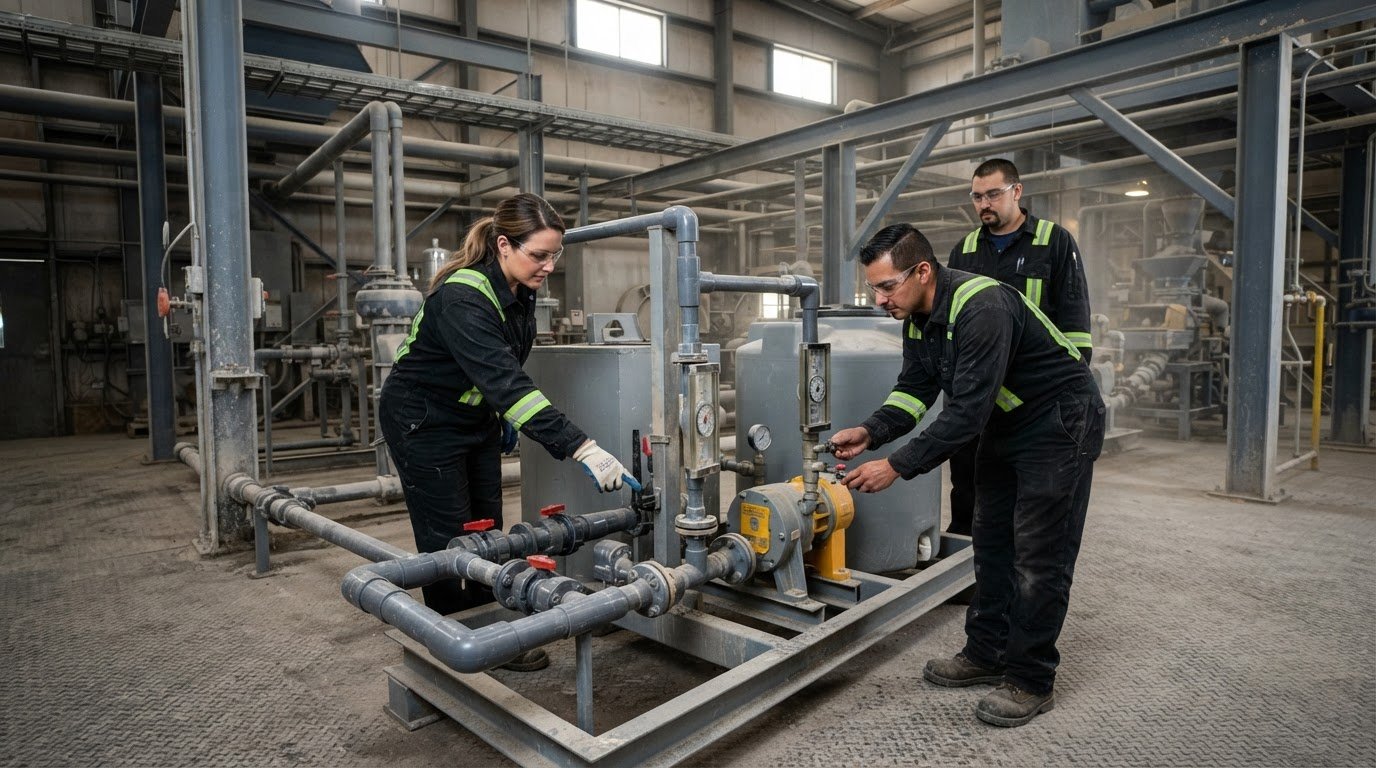
Adoption starts by bringing operations, engineering, maintenance, and quality teams into the same review. Each group identifies constraints, tests assumptions, and explains how a proposed change would affect its work. Advanced analytics can expose inefficiencies and guide targeted improvements. Consultants should investigate root causes, not just visible symptoms, and connect recommendations to safety, profitability, and team success. Clear ownership and practical knowledge transfer help teams sustain changes after implementation.
Project Steps and Optimization Targets
A project typically moves from defining the production problem to mapping the process, assessing data, developing options, and measuring results. Consultants can use process modeling to strengthen design analysis, then compare operating conditions with agreed targets. For example, a process scheme can track yield and throughput alongside energy use and raw material consumption. Teams should review product specifications and operating constraints together so output gains do not undermine quality or reliability.
When comparing consulting firms, assess their relevant process expertise, analytical approach, communication, and ability to define measurable success criteria. Look for a clear method for aligning teams and transferring process knowledge, not recommendations detached from plant operations.
For a U.S. plant, whether OSHA PSM or EPA requirements apply depends on the facility, process, and proposed change. Review applicable obligations before implementation, including process hazards, worker exposure, emissions, and waste streams.
Consulting cost depends on the scope, process complexity, data needs, and implementation support. Pricing is provided after a quote request.
Measure improvements against agreed indicators for product quality, production output, resource use, and profitability. Reviewing these indicators together helps teams understand trade-offs and decide which changes warrant further action.
Chemical consultants can help businesses identify challenges and optimize their systems to improve output quality, making operational insight useful when teams assess where process changes are needed. Chemical engineering consulting solutions are more likely to gain company support when they focus on profit, safety, and team success. Joel Shertok describes technical change management in chemical engineering consulting as equally divided: 50% expertise and 50% communication and trust.
Measuring outcomes and defining project success
Before engineering work begins, clients and consultants should define measurable criteria for project success or completion. Record a baseline for each target, identify its data source, and assign an owner. For example, a quality target needs a product specification and consistent sampling method. A throughput target needs a defined production measure and operating period.
Choose measures that reflect both plant performance and project constraints. A process change may increase output while also raising energy demand or creating quality variation. Track related measures together, then agree how the team will assess trade-offs. Set review points for data quality, implementation status, and operational results. This keeps decisions evidence-based rather than impression-driven.
Capital project portfolio management adds another decision layer. Compare proposed projects by strategic fit, expected process impact, resource needs, and dependencies. For instance, a debottlenecking study may depend on equipment changes planned elsewhere. A shared portfolio view helps leaders sequence engineering work, allocate specialist capacity, and identify competing demands before schedules conflict.
Engineering complexity also shapes success measures and schedules. A focused adjustment to one operating condition differs from a project involving interconnected units, control changes, new materials, and several production teams. The schedule depends on the scope of analysis, data availability, design reviews, implementation planning, and performance evaluation. Clear milestones show whether work is moving from diagnosis to a validated operating change.
An engagement’s duration depends on its project steps and the plant’s decision process, not a universal timeline. A defined study can move faster when operating data is usable and decision-makers agree on targets. Projects requiring coordinated engineering, production trials, or portfolio approvals need time for those activities.
For plants where chemical formulation affects operating performance, specialty chemical solutions can be considered alongside process measures. Documenting the relationship between formulation, product quality, and operating conditions helps keep improvement decisions tied to evidence.
Heat and mass balance development
A heat and mass balance maps what enters, leaves, and accumulates within a process. Engineers define the system boundary, identify streams, and reconcile measured flow, composition, temperature, and pressure. For a reactor, this means tracking feed materials, product streams, by-products, and heat transfer. The resulting process model gives teams a consistent basis for evaluating operating changes.
Reliable balances start with plant records and measurement review. Consultants compare flowmeter readings, laboratory analyses, equipment data, and operating logs, then investigate gaps or inconsistent units. A solvent recovery unit, for example, requires feed and recovered-solvent flows alongside composition data. Advanced analytics can help identify mismatches, but engineering judgment remains essential when measurements conflict.
The mass balance accounts for each relevant component, not just total flow. A process handling a reactant, solvent, and product should track each material through reaction, separation, and recycle. This can reveal losses, accumulation, or an unexpected supply constraint. For dynamic operations, such as startup or batch production, the balance must also account for material held within equipment.
A heat balance tracks energy entering and leaving through feeds, products, utilities, and equipment surfaces. Consultants examine heating and cooling duties, reaction heat, and temperature changes across process steps. In a distillation system, comparing reboiler demand with condenser duty can show where operating data or assumptions need closer review. Modeling and simulation support process design and scenario analysis.
Once reconciled, the balances help teams test proposed changes before implementation. They can evaluate alternative operating conditions, equipment limits, and material quality while considering production demand and supply variability. The analysis supports innovation by linking plant-level decisions with global materials and energy needs. It also gives operations and engineering teams a shared technical reference for assessing process modifications and their consequences.
Process modeling and simulation technologies can improve the accuracy and efficiency of process design. They support design work by helping teams represent process choices and examine them in a model. Used alongside reconciled balances, these technologies provide another way to assess design options consistently, while the balances remain the basis for understanding material and energy flows.
Process documentation, knowledge transfer, and performance metrics
Useful process records turn engineering decisions into repeatable manufacturing practice. Documentation, operating data, and clear performance measures connect strategic goals with day-to-day plant conditions.
Process Records and Knowledge Transfer
Consultants organize process flow diagrams, operating procedures, equipment records, and change histories into a usable reference. For a mixing operation, documentation can capture the charge sequence, setpoints, sampling points, and product acceptance criteria. This record helps distinguish intended operation from current practice and gives manufacturing teams a shared basis for discussion.
Knowledge transfer should connect technical recommendations with the people who operate and maintain the process. A focused handover can explain the change, its rationale, and the conditions that require escalation. Use annotated procedures, operator walkthroughs, and a decision log to keep critical insights accessible after project meetings end.
Plant Data and Performance Metrics
Analysis draws on historian trends, batch records, laboratory results, equipment logs, and relevant software exports. Consultants also need coordinated access to process areas and discussions with operators, engineers, and maintenance personnel. These sources help link a recorded temperature shift, for example, to a specific operating condition or product result.
Choose performance metrics that fit the process and its business purpose. A continuous line might track throughput, off-spec production, and utility consumption; a batch process may need cycle time, yield, and batch-to-batch variation. Define each metric’s calculation, data source, review owner, and reporting frequency before comparing results.
Keep records controlled as changes move from analysis into operation. A revision log can identify the approved procedure, effective operating condition, and responsible role. Teams can then compare current results with the agreed measure, investigate deviations, and update instructions as new learning changes recommended practice. This creates a practical improvement loop, not a static report.
Build a reliable documentation and measurement approach for your plant by discussing process performance needs.
JAS Global Industries
JAS Global Industries supports process efficiency and operational reliability with specialty chemical solutions tailored to industrial needs. For plants assessing performance, its expertise is especially relevant when chemical inputs affect production outcomes, rather than when the need is engineering consulting alone.
Its offerings include mining flotation collectors and grinding aids, as well as fertilizer anti-caking agents and dust suppressants. These products serve distinct process needs, so the right fit depends on the operation and its specific challenge. Matching chemical selection to process conditions can complement broader improvement work focused on quality, consistency, and resource use.
If your plant is assessing how specialty chemicals could support process performance, contact JAS Global Industries to discuss your needs.
Turn process insights into the next decision
Use process review findings to identify where specialty chemicals may support plant performance. Chemical process optimization consulting can clarify process needs, while suitable chemical inputs may support operating consistency when they fit the application and plant conditions.
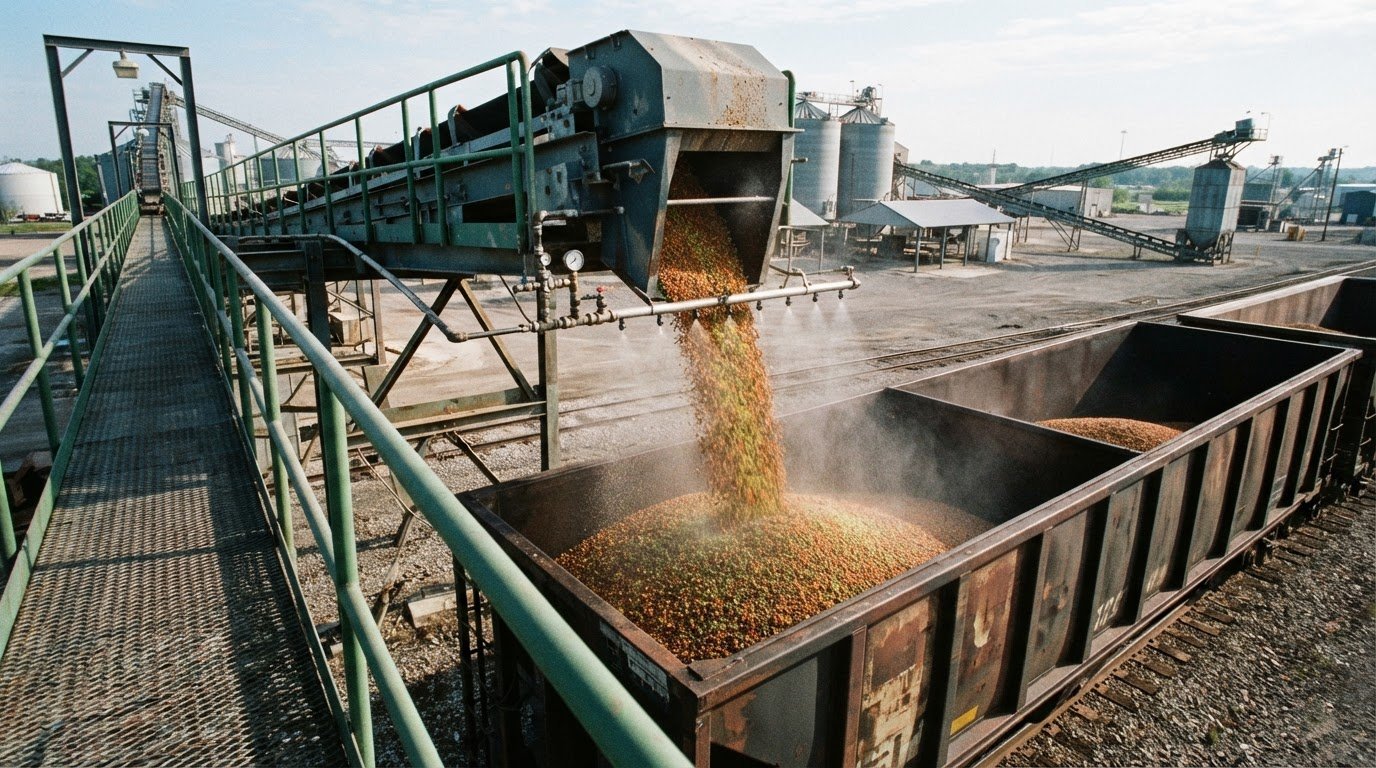
JAS Global Industries offers Fertilizer Anti-caking Agents, Fertilizer Dust Suppressants, and Mining Flotation Collectors. These products address different industrial applications. Connect the plant’s process challenge with the relevant chemical category rather than assuming one solution fits every operation.
For fertilizer or mining operations evaluating chemical inputs as part of a wider performance effort, a discussion can focus on the process context and product fit. Contact JAS Global Industries to discuss your process. A clear view of the operating need is a practical starting point for the decisions ahead.
Frequently Asked Questions
What services do chemical process optimization consultants provide?
JAS Global Industries supports process assessments and practical technical recommendations through plant audits, on-site laboratory testing, operational troubleshooting, and chemical dosing strategy development. For example, a mining operation could assess whether its flotation collector strategy suits its process conditions. The scope depends on the plant’s needs, available process information, and the decisions the project must support.
How do companies measure ROI from chemical process optimization?
Companies compare the financial value of verified operating changes with their full implementation cost. Track relevant measures before and after, such as saleable output, off-spec production, downtime, or chemical consumption. Then account for changes in feed composition, production schedule, and operating conditions. This helps distinguish project-related improvement from normal variation in plant performance.
What are examples of successful chemical process optimization projects in the United States?
Illustrative project types include improving flotation performance at a mining plant or reducing off-spec output in a manufacturing process. A project succeeds when it meets agreed targets and the change remains workable in routine operations. For a U.S. site, teams can document the baseline, process change, measured result, and relevant operating context without implying every plant will achieve the same outcome.